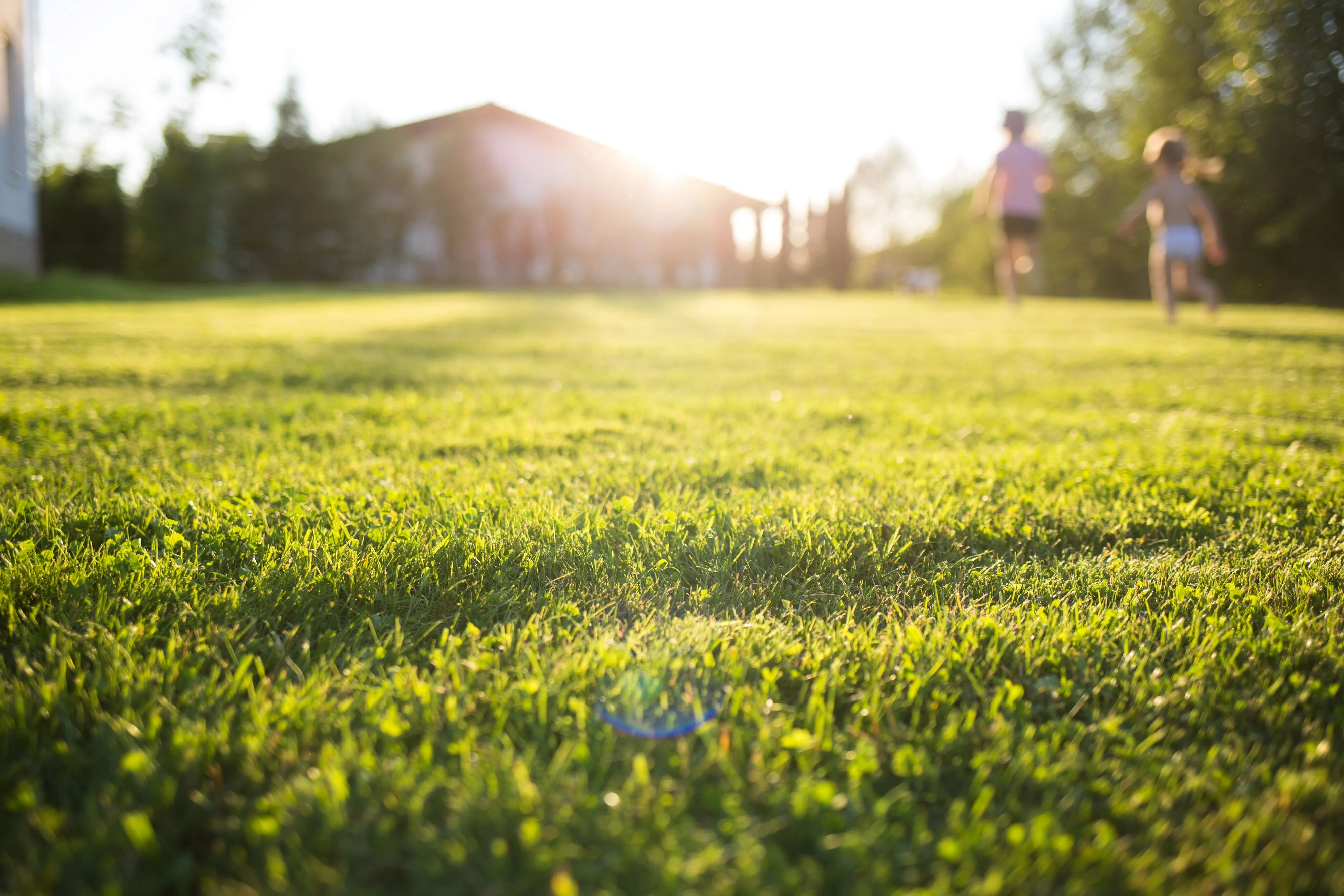
A heat wave challenges a lawn on two fronts. When the mercury rises above 90°F, the turf’s food production is slowed significantly. A lawn struggles to create enough essential carbohydrates during a heat wave. At the same time, the high temperatures cause excessive water loss from the leaves. Soon stress builds within the lawn and damage begins to show up. To limit heat stress and help your grass maximize its available resources, follow these 9 expert tips during a heat wave.
Move the mower deck up to a cutting height of 3.5 or 4 inches for cool-season grasses, such as Kentucky bluegrass. Most warm-season grasses can be cut at 2.5 inches or so during a heat wave.
Mowing high provides for the greatest amount of leaf area possible so plants can harvest light for photosynthesis, explains Dr. Kevin Frank, a turf specialist at Michigan State University. Cut the grass low and you’ll instantly reduce the plant’s ability to generate energy, plus the plant will throw all its resources toward producing new leaf tissue.
During an afternoon of high heat, turf grass wilts to preserve leaf moisture. If you put heavy equipment, such as a lawn mower, on wilted grass or grass nearing the point of wilting, it can damage leaf blades. The damaged leaf tissue often dies, creating tracks of dead turf across a lawn from the mower wheels. Frank recommends mowing in the early morning or late evening to reduce the risk of damaging turf.
Dull blades create a ragged leaf edge, which is the ideal entry point for diseases. Heat-stressed grass has limited energy to combat disease. A small infection can grow quickly in high heat. Keep mower blades sharp.
It is common for mower blades to begin to dull after weeks of spring and early summer mowing. Sharpen them mid-season, even if a heat wave is not in sight, to avoid issues later.
The amount of water your lawn needs to stay green during high heat depends on the type of grass, soil makeup, and sun exposure. At least 1 inch of water a week is recommended to keep a cool-season lawn green. If a green lawn isn’t critical, “with far less water you can keep your lawn alive,” says Aaron Patton, turf specialist at Purdue University. “Water once every 2 to 4 weeks with a half inch of water to keep turf plant crowns hydrated during drought,” he says. The grass will go dormant and the leaf blades will turn brown, but the crown and roots will remain alive, and the lawn will green up 1 to 2 weeks after significant rain.
Warm-season grasses use water more efficiently and don’t require as much irrigation to remain healthy during high heat. Provide about a half-inch of water a week, adjusting the amount as needed based on the health of the turf.
If you need to water your lawn, do so between 5 and 9 a.m. According to Aaron Steil, extension specialist at Iowa State University, that’s when you’ll lose the least water to evaporation. Plus, watering early in the day gives the turf grass time to fully hydrate before the heat of the day sets in. Well-hydrated turf can survive heat stress much better than wilted turf.
When watering the lawn, apply the weekly recommended amount in a single application or 2 applications 3 or 4 days apart. This helps encourage grass roots to grow deeper into the soil, which boosts its drought-tolerance. If you water more frequently and and apply less than the recommended amount each time, you’ll encourage shallow rooting and lush growth, which will struggle more in heat and drought. Plus, this will make your lawn more susceptible to pests and diseases.
Fertilizer spurs grass to grow quickly and growth demands carbohydrates which are in short supply during a heat wave. Wait to fertilize until after the heat wave passes. Generally, cool-season grasses are best fertilized in fall, and warm-season grasses are fertilized in early summer.
New seed or sod demands even more attention during a heat wave. Twice-daily irrigation is essential for newly laid sod during a heat wave. Water in the early morning and again in the early evening, delivering enough water so that the sod and soil remain moist and cool. Sod should be firmly rooted in 10 to 14 days after it is laid. After it is rooted into the native soil, water the sod deeply and less frequently.
Care for new seed in a similar way, keeping the seed bed moist but not saturated until the turf is about 3 inches tall. When possible, avoid establishing a new lawn in the heat of summer.
High heat causes many types of weeds to flourish while turf grass languishes. It might be tempting to apply an herbicide to tame the onslaught of weeds, but don’t waste time and money. High heat significantly limits the effectiveness of herbicide. As always, time your herbicide application for the type of weeds you are aiming to control. For example, crabgrass treatments are most effective when applied in spring, and fall is ideal for controlling broadleaf weeds.

Boosting Community Resilience: NV Energy Foundation’s Generous Support for Southern Nevada Families
East Valley Family Services in Las Vegas received a ,000 donation from the NV Energy Foundation to
Long Island school districts sue social media platforms alleging they hurt kids’ mental health
Eleven Long Island school districts have sued Facebook, Snapchat, TikTok, and YouTube, alleging thei
Six Morning Habits to Reduce Alzheimer's Risk
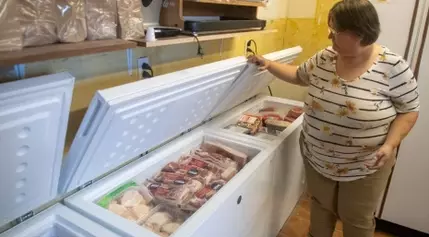
Beverly Mattson Food Bank offers grocery store-like experience at new Pottsville location
The Beverly Mattson Food Bank has opened a new location in Pottsville, Pennsylvania, designed to pro
Knowing food safety in hot temperatures
Warm summer weather can quickly lead to food poisoning, as bacteria thrive in hot and humid conditio
5 Simple Tips to Turn Your Backyard Pond Into a Serene and Relaxing Retreat
These landscaping and styling tricks can turn the area around your backyard pond into an idyllic staycation spot.
5 Smart Solutions for Dealing with Poor Drainage in Your Yard
Find out how to improve drainage in soil so that you can grow your garden plants. Or, if you can't, learn how to fix the soil that doesn't drain so that you can still enjoy colorful flowers.
How to Plant and Grow Papyrus
Find essential tips on growing papyrus, an easy-care water plant that can remain outdoors year-round in a warm climate.
How to Make a Topiary for Your Garden
Topiaries give a garden a classic look, and show off meticulous pruning skill. Take a colorful coleus to new heights with a simple trimming and staking technique to make this DIY topiary.
Here's How to Attract Colorful and Cheerful Songbirds to Your Yard
To learn how to attract songbirds to your backyard, follow our ten suggestions. Before you know it, there'll be lovely sounds of nature around you.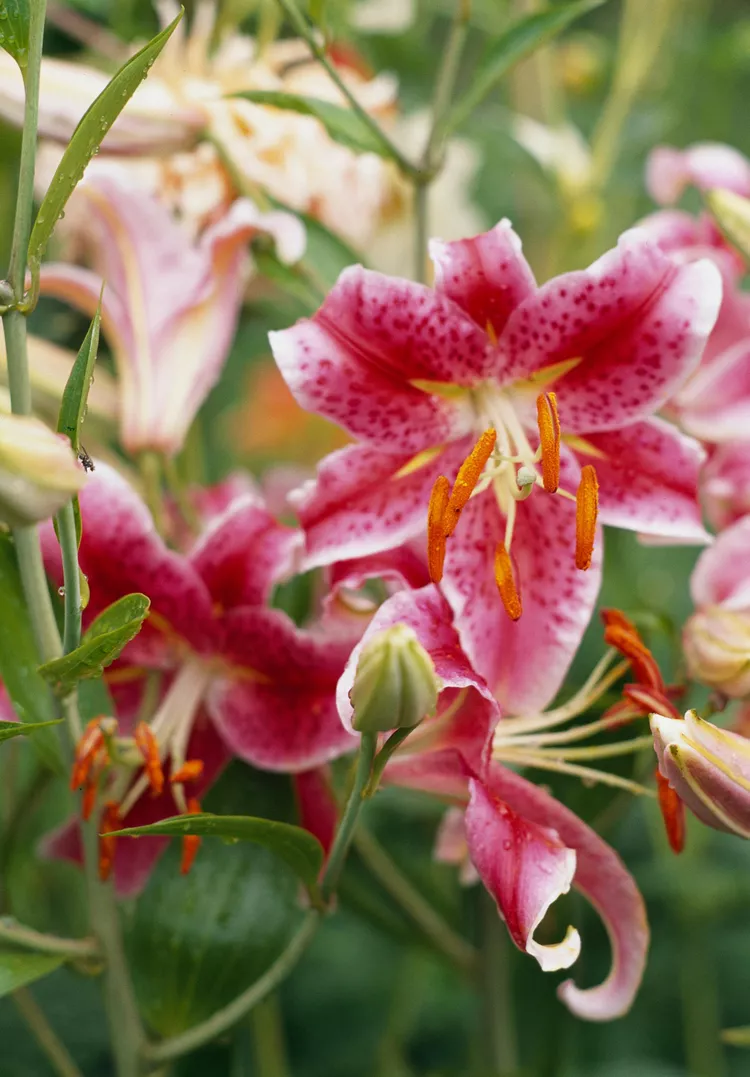
23 of the Most Fragrant Flowers That Add Sweet Scents to Any Garden
Color and greenery are important, these plants with fragrant flowers will please your nose.
Birds Will Flock to Your Garden When You Plant Grasses for Wildlife
Ornamental grasses for wildlife that bring birds to your garden are those that offer both food and shelter. Make your yard a bird favorite with these.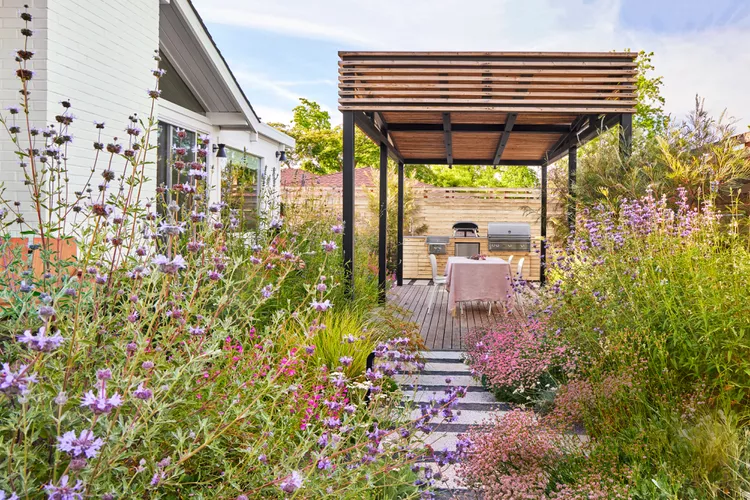
This Gorgeous Yard Proves a Flower-Filled Meadow Is Possible, Even in a Small Space
A California family's meadow garden supports pollinators where their front lawn used to be.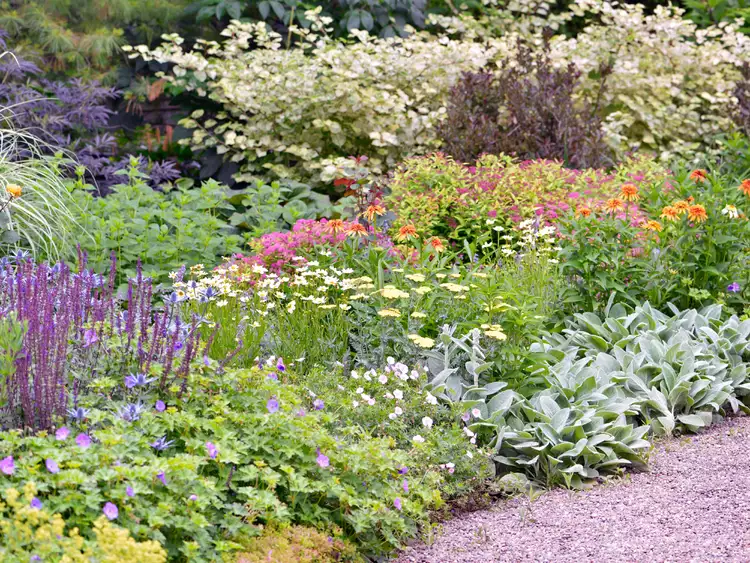
How to Plant a Border Garden that Will Add Color to Your Landscape
Learn how to create a vibrant border garden that will compliment your landscape and provide visual appeal of completeness.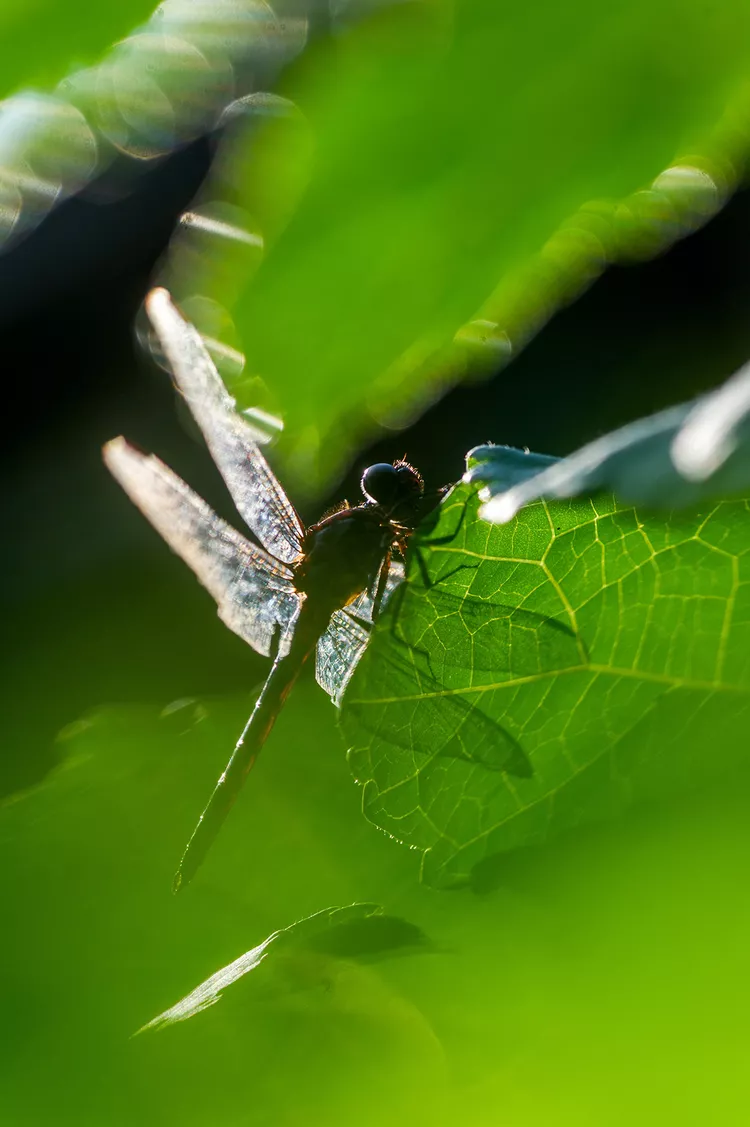
Here's What Attracts Dragonflies and Damselflies to Eat Mosquitos
Learn what attracts dragonflies and damselflies to your yard to get rid of pesky mosquitos. They eat hundreds of mosquitos a day.
7 Must-Know Tips for Overseeding Your Lawn
Transform a sparse, thin lawn into a thick carpet of turf in just a few weeks. Use these essential tips for overseeding your lawn to ensure lush results.
7 Weeding Mistakes That Make Gardening Much Harder
Learn about properly weeding your garden by correcting these 7 common mistakes.
Soil Amendments & Nutrients
Learn how to improve soil drainage, moisture retention, and aeration, by adding soil amendments or soil nutrients to make your soil richer and more productive.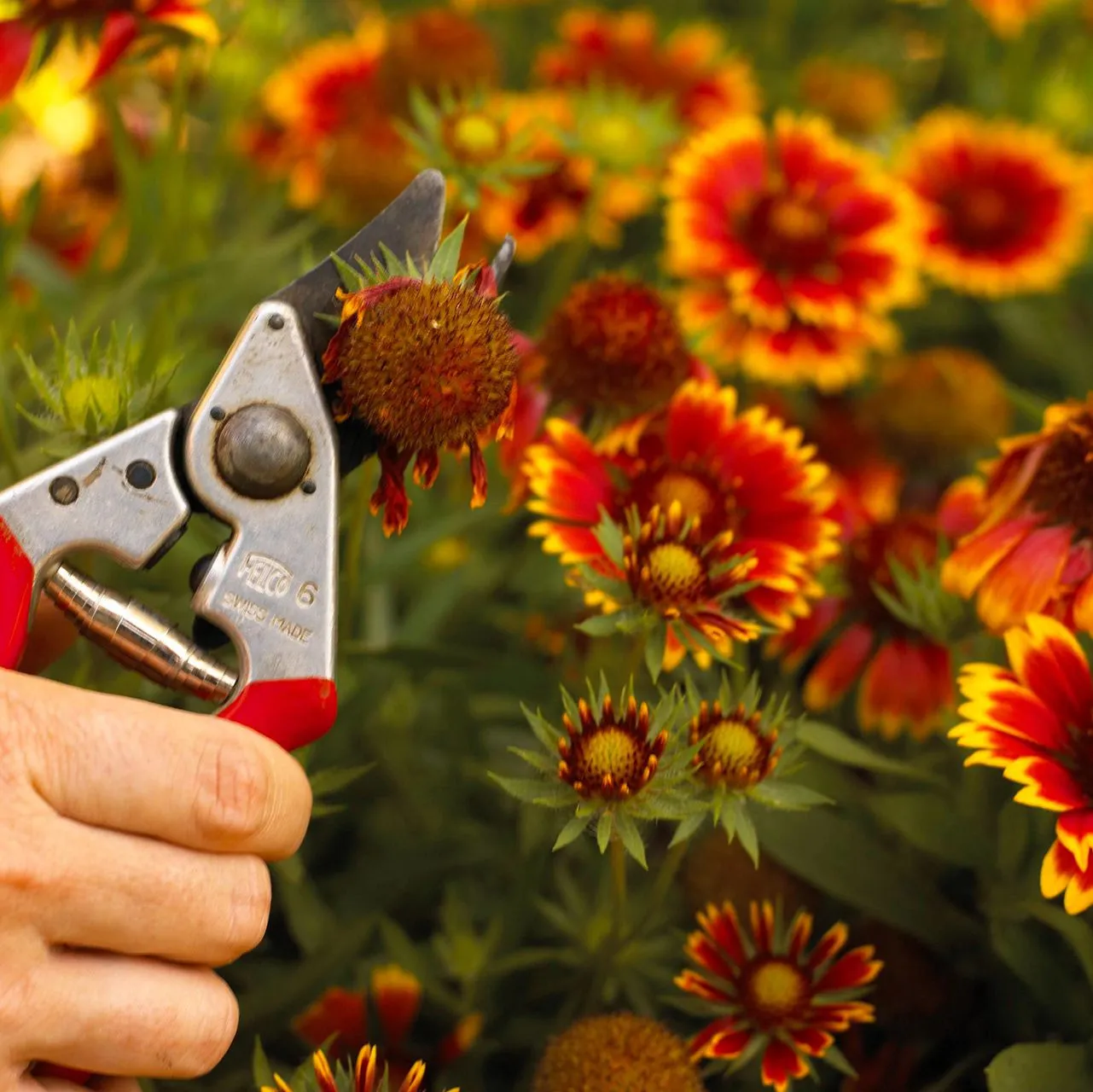
Smart Deadheading Tips to Keep Your Flowers Blooming Longer
Here’s how to deadhead flowers to get the prettiest garden with long-lasting annuals and perennials that add color to your landscape.
Gardening Gloves Worse for Wear? Shop the Ones Over 17,000 Shoppers Swear By
These gardening gloves are beloved by shoppers, and they are 30% off right now. Perfect for gardening and other manual labor, each glove has a waterproof latex layer that’s durable and flexible, as well as an elastic cuff that keeps dirt and water at bay. Shop a six-pack of CoolJob Rubber Coated Gardening Gloves while it’s just on Amazon.