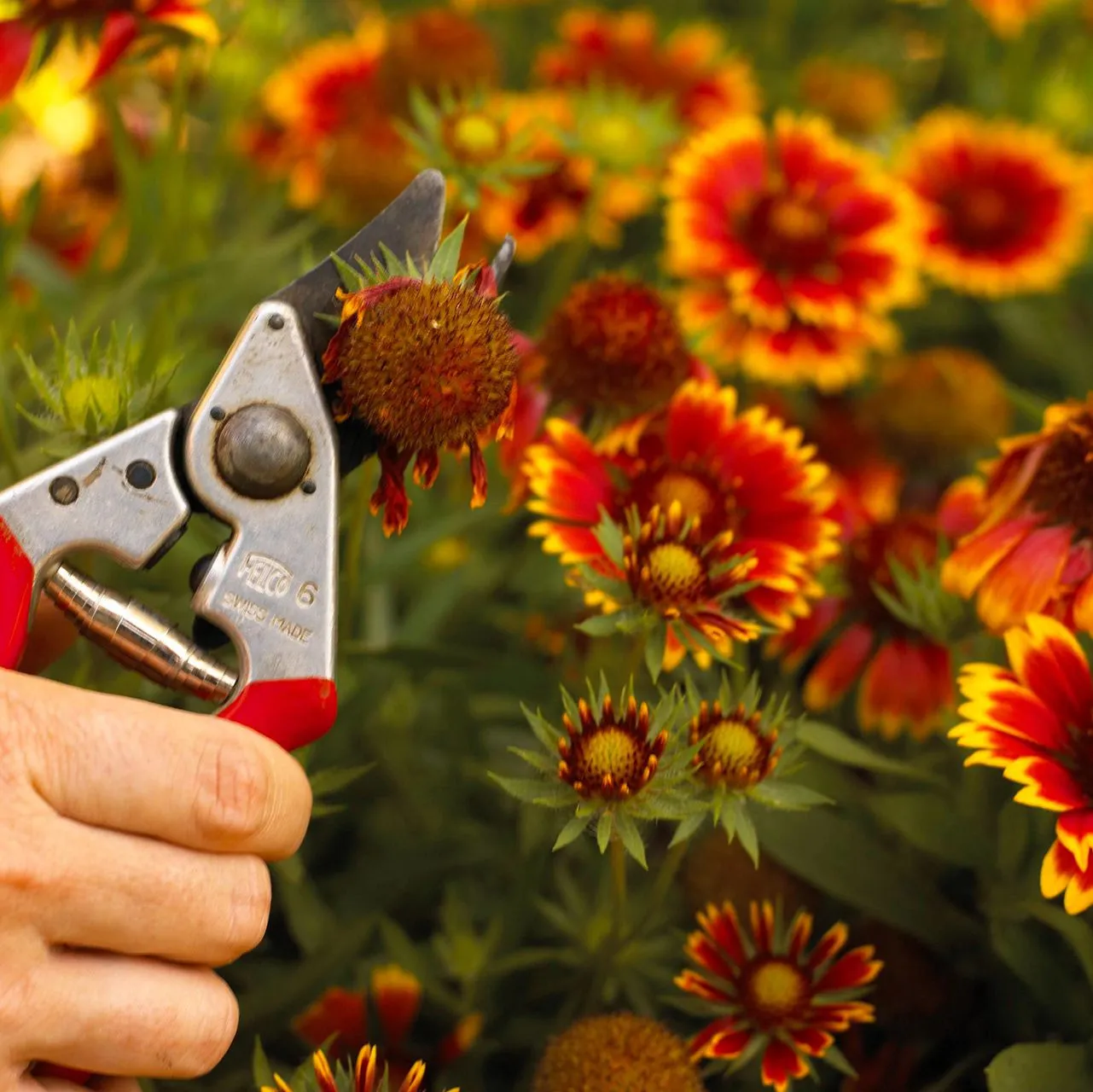
Though the word sounds a bit scary, deadheading flowers like roses isn’t as morbid as it sounds; it just means trimming off spent blooms from your plants. Once you know how to deadhead flowers, you can keep your garden tidy and encourage your plants to continue making new flowers instead of spending energy producing seeds.
Some gardeners get a little nervous about snipping parts off their plants, but unless you start carelessly whacking away, you won’t damage or kill a plant just by clipping spent flowers. So when your plants have fading blooms or look unattractive, you can pull out your garden shears and start deadheading flowers.
You can often get a clue about which plants to deadhead and which to leave alone just by watching them. If the flowers stay on the plant and become brown and unattractive, feel free to start trimming spent flowers to clean up the mess.
Deadhead spring-blooming perennials at the right time, and you may get a second bloom during the season. When cutting them back in the fall for the winter, leave a few branches for wildlife to use for protection, but be sure to remove all of the dead branches to reduce the risk of diseases.
Annual flowers should be deadheaded whenever you see wilted or dying flowers to encourage new blooms.
These include coreopsis, feverfew, golden marguerites, lobelia, sweet alyssum, smaller mums, potentilla, flax, aster, blanket flower, and ageratum. Trimming one flower at a time would be too time-consuming, so instead, use grass shears to tackle the plant in sections. When deadheading flowers on these plants, get as much of the flower stalk as possible. Avoid buds, but don’t worry about taking a little foliage off with the spent flowers; it’ll grow back.
These include large marigolds, summer phlox, astilbe, peonies, purple coneflowers, black-eyed Susans, daisies, annual and perennial salvia, petunias, and zinnias. With clean and sharp pruning shears, also known as secateurs or pruning snips, the key to deadheading flowers is to cut off each spent bloom individually, getting enough of the stalk so it doesn’t stick out awkwardly. It’s OK (and in the case of leggy plants, such as petunias, desirable) to take off a bit of the foliage, too.
Not to be confused with rose pruning, deadheading roses means taking out only the minimum amount of stem to remove the spent flower. Cut at a 45-degree angle, sloping down toward the center of the rosebush. You should cut at a spot after the first pair of leaves and directly above an outward-facing stem (a stem that points away from the plant’s center).
These include daylilies, larkspur, foxgloves, hostas, tulips, daffodils, Oriental poppies, peonies, and irises. Cut back each spent flower with hand pruning shears as close as possible to where the stalk meets the leaves.
Though many plants will benefit from deadheading, not all need it to bloom. You can also find self-cleaning varieties of some plants that traditionally need deadheading; the spent flowers will naturally fall off, and the plant will produce more flowers without any trimming from you.
Deadheading is just one way to extend the bloom season; there are other tricks for keeping the color.

Boosting Community Resilience: NV Energy Foundation’s Generous Support for Southern Nevada Families
East Valley Family Services in Las Vegas received a ,000 donation from the NV Energy Foundation to
Long Island school districts sue social media platforms alleging they hurt kids’ mental health
Eleven Long Island school districts have sued Facebook, Snapchat, TikTok, and YouTube, alleging thei
Six Morning Habits to Reduce Alzheimer's Risk
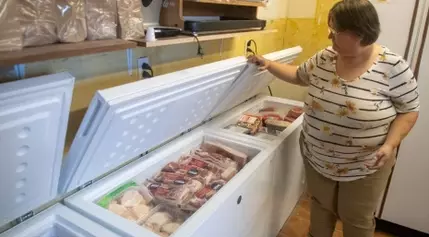
Beverly Mattson Food Bank offers grocery store-like experience at new Pottsville location
The Beverly Mattson Food Bank has opened a new location in Pottsville, Pennsylvania, designed to pro
Knowing food safety in hot temperatures
Warm summer weather can quickly lead to food poisoning, as bacteria thrive in hot and humid conditio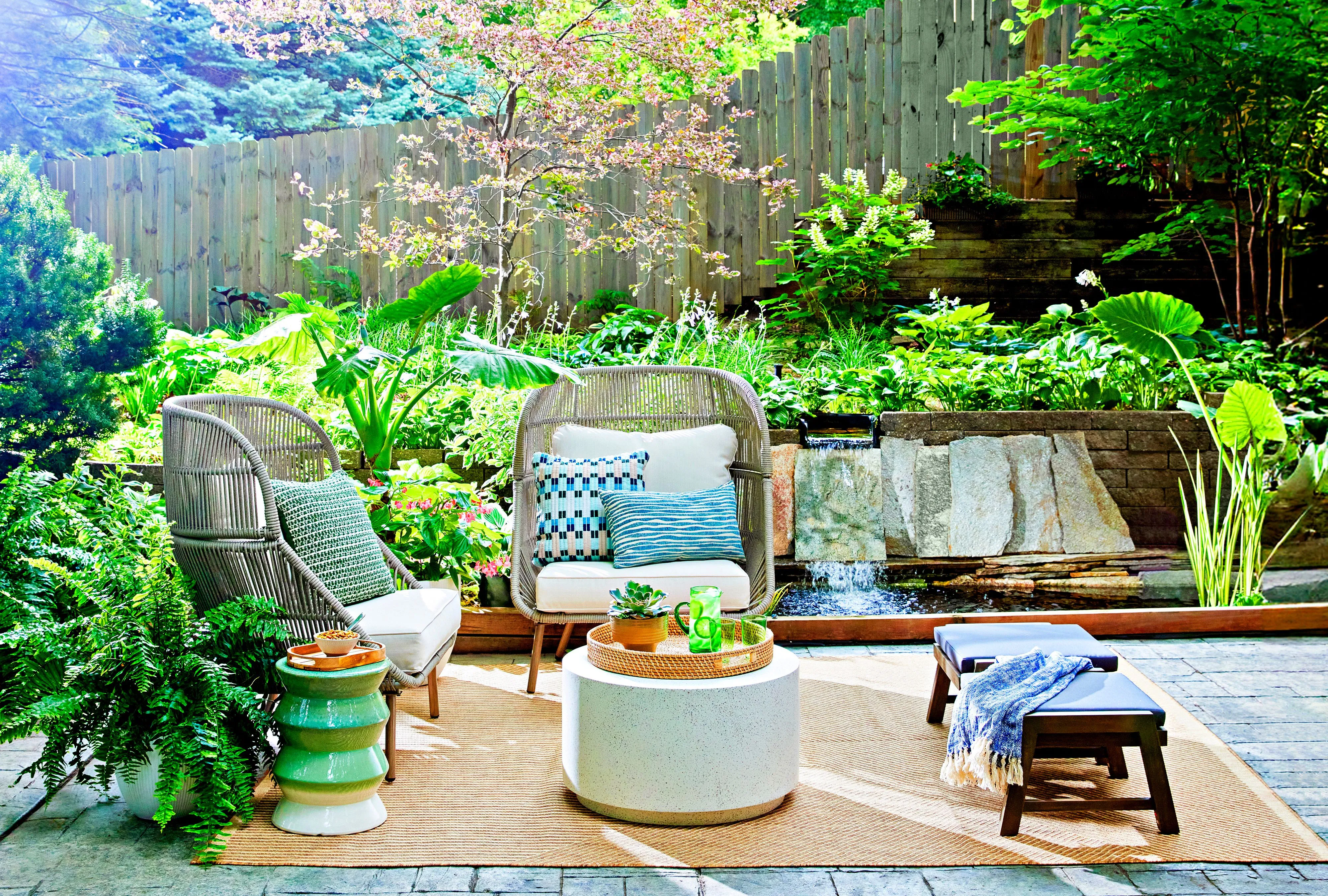
5 Simple Tips to Turn Your Backyard Pond Into a Serene and Relaxing Retreat
These landscaping and styling tricks can turn the area around your backyard pond into an idyllic staycation spot.
5 Smart Solutions for Dealing with Poor Drainage in Your Yard
Find out how to improve drainage in soil so that you can grow your garden plants. Or, if you can't, learn how to fix the soil that doesn't drain so that you can still enjoy colorful flowers.
How to Plant and Grow Papyrus
Find essential tips on growing papyrus, an easy-care water plant that can remain outdoors year-round in a warm climate.
How to Make a Topiary for Your Garden
Topiaries give a garden a classic look, and show off meticulous pruning skill. Take a colorful coleus to new heights with a simple trimming and staking technique to make this DIY topiary.
Here's How to Attract Colorful and Cheerful Songbirds to Your Yard
To learn how to attract songbirds to your backyard, follow our ten suggestions. Before you know it, there'll be lovely sounds of nature around you.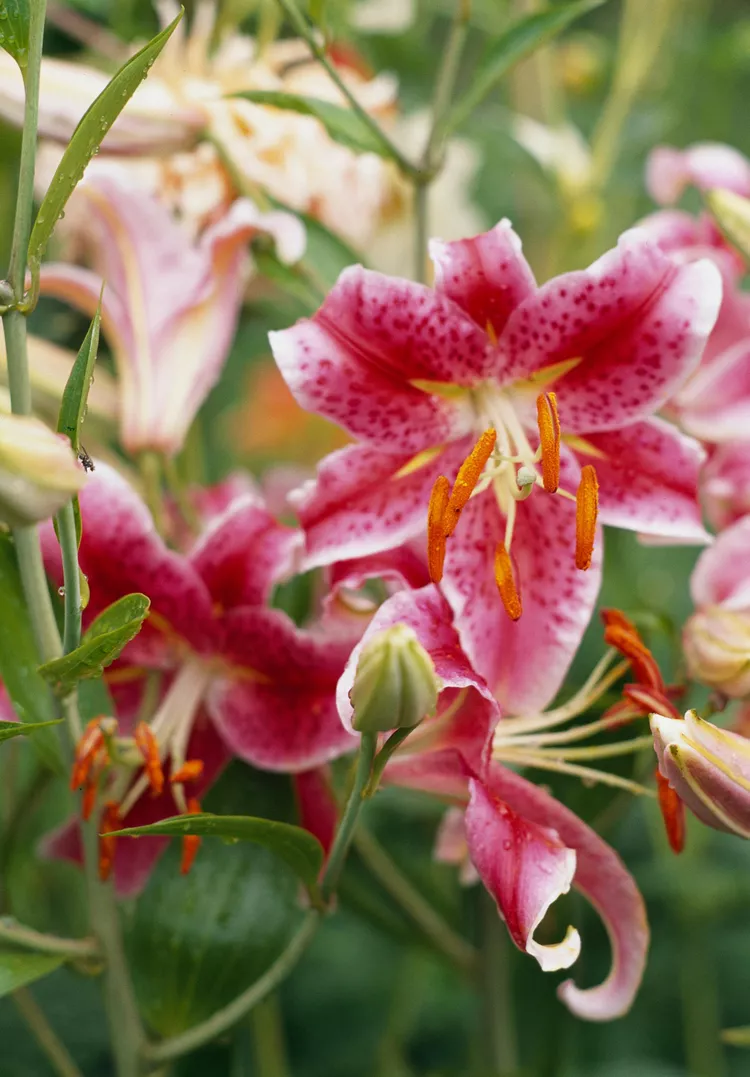
23 of the Most Fragrant Flowers That Add Sweet Scents to Any Garden
Color and greenery are important, these plants with fragrant flowers will please your nose.
Birds Will Flock to Your Garden When You Plant Grasses for Wildlife
Ornamental grasses for wildlife that bring birds to your garden are those that offer both food and shelter. Make your yard a bird favorite with these.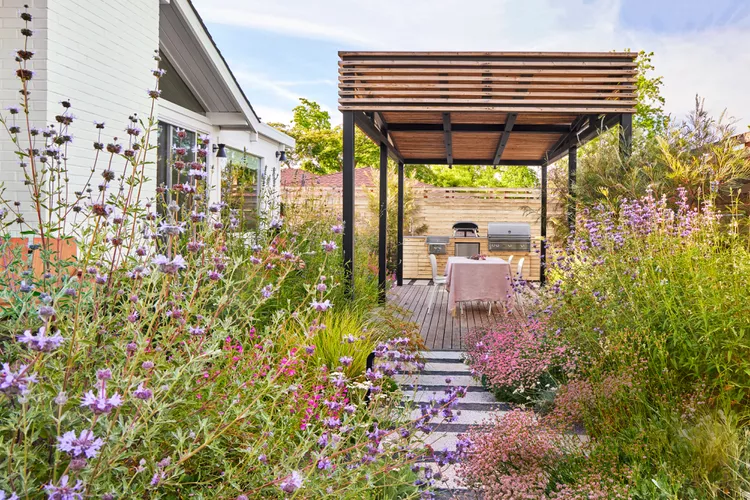
This Gorgeous Yard Proves a Flower-Filled Meadow Is Possible, Even in a Small Space
A California family's meadow garden supports pollinators where their front lawn used to be.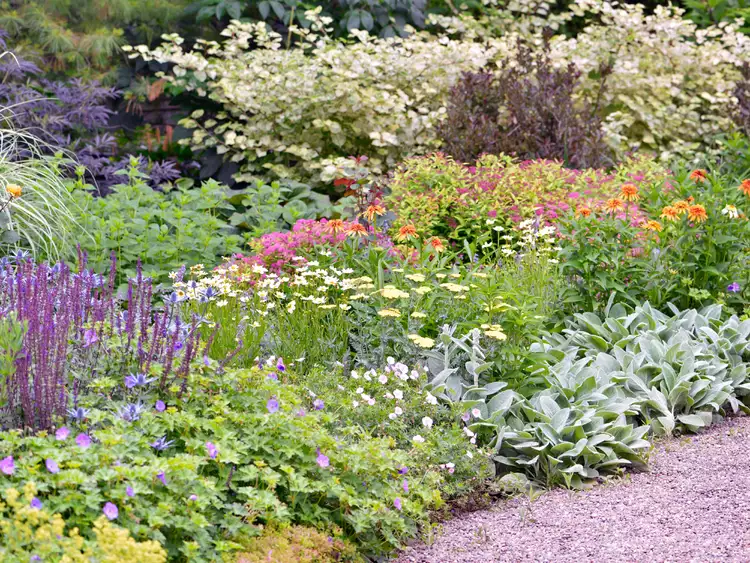
How to Plant a Border Garden that Will Add Color to Your Landscape
Learn how to create a vibrant border garden that will compliment your landscape and provide visual appeal of completeness.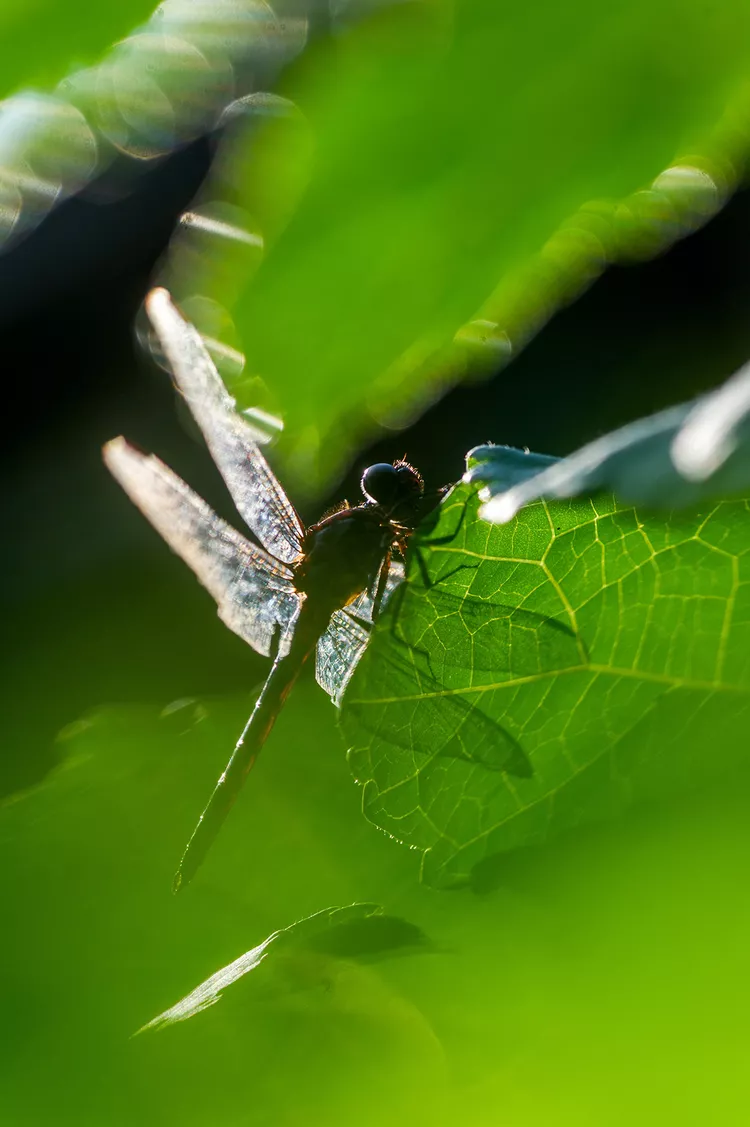
Here's What Attracts Dragonflies and Damselflies to Eat Mosquitos
Learn what attracts dragonflies and damselflies to your yard to get rid of pesky mosquitos. They eat hundreds of mosquitos a day.
7 Must-Know Tips for Overseeding Your Lawn
Transform a sparse, thin lawn into a thick carpet of turf in just a few weeks. Use these essential tips for overseeding your lawn to ensure lush results.
7 Weeding Mistakes That Make Gardening Much Harder
Learn about properly weeding your garden by correcting these 7 common mistakes.
Soil Amendments & Nutrients
Learn how to improve soil drainage, moisture retention, and aeration, by adding soil amendments or soil nutrients to make your soil richer and more productive.
Smart Deadheading Tips to Keep Your Flowers Blooming Longer
Here’s how to deadhead flowers to get the prettiest garden with long-lasting annuals and perennials that add color to your landscape.
Gardening Gloves Worse for Wear? Shop the Ones Over 17,000 Shoppers Swear By
These gardening gloves are beloved by shoppers, and they are 30% off right now. Perfect for gardening and other manual labor, each glove has a waterproof latex layer that’s durable and flexible, as well as an elastic cuff that keeps dirt and water at bay. Shop a six-pack of CoolJob Rubber Coated Gardening Gloves while it’s just on Amazon.