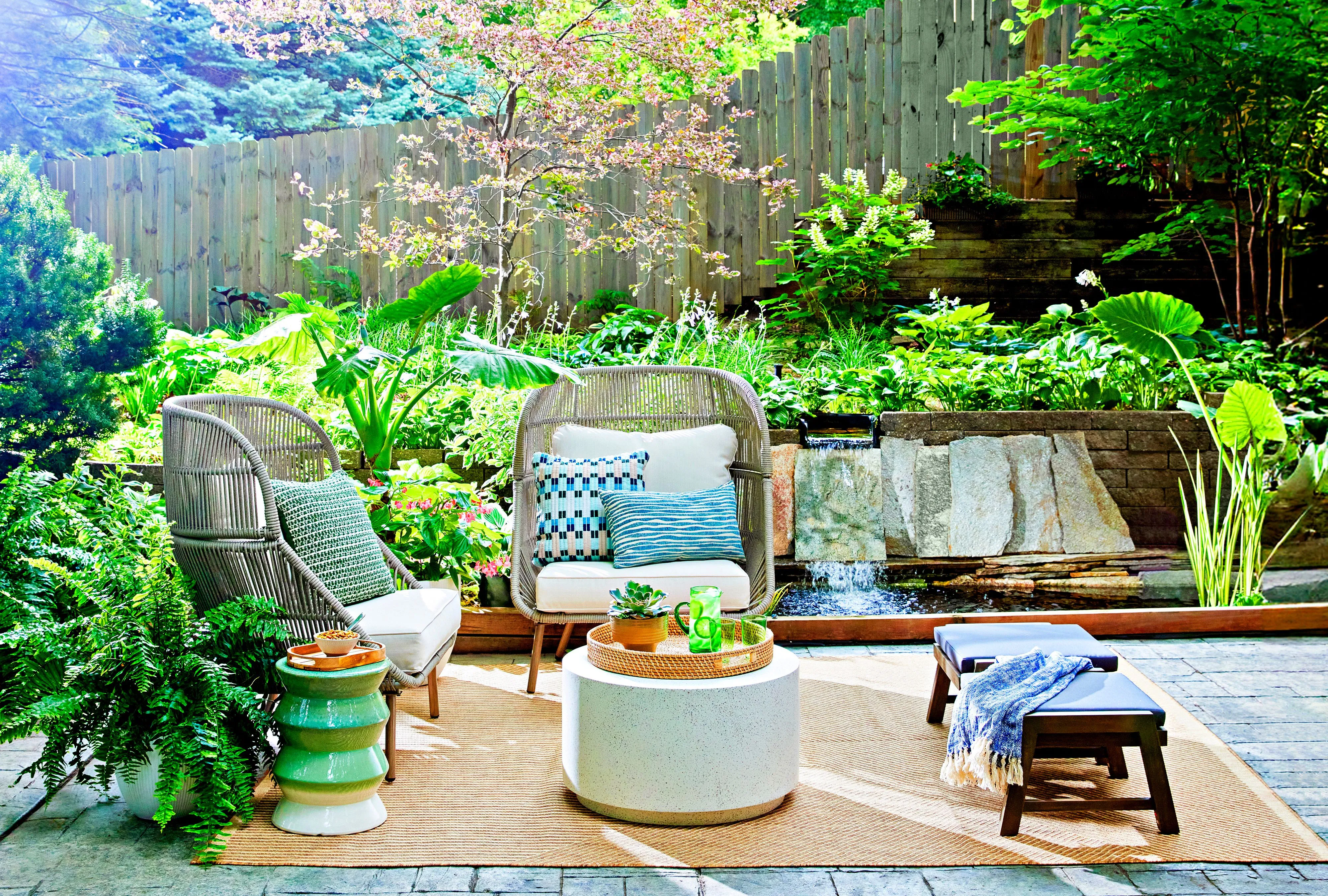

Traditional yards with pristine lawns and few plants act as ecological deserts. However, it doesn't have to be this way. Installing a pollinator garden is one effective way to make your yard better for wildlife. Pollinator gardens are designed to attract beneficial insects, such as butterflies and bees, and support them throughout all stages of their life cycle, from eggs to larvae to adults. In return, pollinators boost the health and productivity of our gardens. Pollinator gardens should provide food, shelter, and safety. Here are some tips for providing these essentials in your yard.
- Matthew Shepherd is director of outreach and education at the Xerces Society for Invertebrate Conservation.
- Susan Carpenter is the native plant garden curator at the University of Wisconsin-Madison Arboretum.
Provide Food for Pollinators
To complete their life cycles, pollinators need the right kinds of plants around to fuel their development.
Plant native plants.
“Native plants are important to pollinators in a region because they’ve evolved with them,” says Susan Carpenter, native plant garden curator at the University of Wisconsin-Madison Arboretum. Because of this, they end up supporting a greater diversity and abundance of insects than non-native plants. Carpenter also advises avoiding non-native plants that may seem like they're helpful to pollinators, such as butterfly bush (Buddleia spp.), but actually aren't as beneficial as natives.
When selecting native plants, it’s important to plant ones that bloom at different times to ensure that pollinators have a consistent food source throughout the growing season. It’s also helpful to know about the life cycles of the pollinators you’re trying to attract. For example, if you’re specifically trying to support monarch butterflies, you’ll want to incorporate plants into your garden to feed the butterflies at both the caterpillar and adult stages.
Carpenter notes that people “sometimes get frustrated because they’re trying to force the native plants into more of a [traditional] garden mold where things stay the same.” To avoid this, embrace that your native plants may look and act a little different from what you’re used to. You can find lists of native, pollinator-friendly plants that are suitable for your area through the Xerces Society and Pollinator Partnership.
Allow your lawn to flower.
Common lawn flowers, such as clover and dandelions, can also provide food for hungry pollinators. “If you have flowers in your lawns, then they are better for bees,” says Matthew Shepherd, director of outreach and education at the Xerces Society for Invertebrate Conservation.
To allow your lawn to flower, simply mow less frequently and keep your grass longer. Research shows that lawns mowed every two weeks, instead of weekly, attract more bees. “What we would like people to do is to be less intensive with their lawn management, mowing every two weeks, maybe mowing at a higher level, so that you can have these flowers growing,” says Shepherd.
There are also a number of conservation movements that aim to make our lawns into better pollinator habitats, including No Mow May and Slow Mow Summer. If you want to take things a step further, install a bee lawn. Bee lawn seed mixes, including ones that use only native wildflowers, are now available online and through many garden centers.
Provide Shelter for Pollinators
Pollinators need nesting sites and places to ride out the winter. You can incorporate these features into your pollinator garden in several ways.
Create soft landings.
Incorporating "soft landings" into your landscape is particularly important for butterflies and moths, says Carpenter. Moth and butterfly larvae often feed on native tree leaves. When they’re ready to form pupae, they drop from the treetops onto the ground where they overwinter in the leaf litter or soil. By planting native plants under your trees and leaving the surrounding leaf litter and plant debris undisturbed, you create soft landings for these beautiful insects.
Leave the leaves.
Leaving the leaves is an initiative that encourages people to refrain from raking up fallen leaves from their yards in the fall. The leaves then provide important overwintering habitat for pollinators. Leaves don’t need to be left exactly where they fall, says Shepherd, and you don’t want to leave leaves where they can be a problem. However, leaving leaves around the base of shrubs and using them as mulch for your flower beds, instead of bark mulch, is beneficial.
Rethink spring cleanup.
While it’s tempting to start tidying your yard early each spring, it’s harmful to overwintering pollinators. These insects require warm temperatures before emerging from hibernation. By delaying spring cleanup and leaving some stems and leaf litter in place, you ensure that these sleeping insects are not inadvertently discarded with plant debris.
Build brush piles.
Brush piles, which can consist of piles of leaves, dead wood, or cut stems, provide nesting sites and overwintering habitat for a variety of butterflies, moths, and bees. Brush piles can be added to inconspicuous corners of your backyard, where they’re out of sight. Carpenter has also seen people create artistic haystack-type brush arrangements in their front yard.
Leave some bare soil.
Leaving bare soil is also an important but often overlooked aspect of pollinator gardening. Roughly 70% of the 3600 species of native bees in the United States nest in the ground, says Shepherd. To do this, they need access to undisturbed soil. So don’t be afraid to leave some areas free of plants, grass, and mulch.
Many pesticides and herbicides harm pollinators, so it's best to avoid using them. Carpenter also points out that many of the spraying programs offered by lawn care companies, such as those advertised to target mosquitoes, spiders, or ants, don’t just target those particular species. Instead, they may end up killing the very pollinators you’re trying to help. These chemicals may also be harmful to pets and people, so steer clear, she warns.
Other Considerations
Before you get started on creating your pollinator garden, keep the following tips in mind to keep things manageable.
Start small.
As Shepherd notes, “We have these millions of acres of essentially barren habitat that we could be doing something better with, [that] we could be transforming in some way to make it better for wildlife.” But we don't have to do it all at once. Start small when making your yard more pollinator-friendly. “Just take on what you feel you can cope with and don’t get overwhelmed,” adds Shepherd.
Know your community’s rules.
Some municipalities and homeowners associations have rules about what you can do with your yard. Make sure you know your community’s rules before you start installing a pollinator garden. If your community limits what you can do in your front yard, consider installing the pollinator garden in your backyard, where it’s less visible. “Sometimes that’s referred to as the mullet gardening approach because it's neat and tidy in the front and long and shaggy in the back,” says Shepherd.
Educate your neighbors.
There are more gardeners today that want to provide habitat for pollinators and other wildlife, says Shepherd. However, the concept is still new to many people. So, you may want to educate your neighbors on what you are trying to do and consider installing signs identifying your yard as pollinator habitat.
Overall, by integrating at least some of these practices at home, you’ll be helping your local butterflies, bees, and other pollinators flourish.