What Every Homeowner Needs to Know About Dethatching Lawns

48.6K
971
165
DDaniel Hayes
2025-11-12
What Every Homeowner Needs to Know About Dethatching Lawns

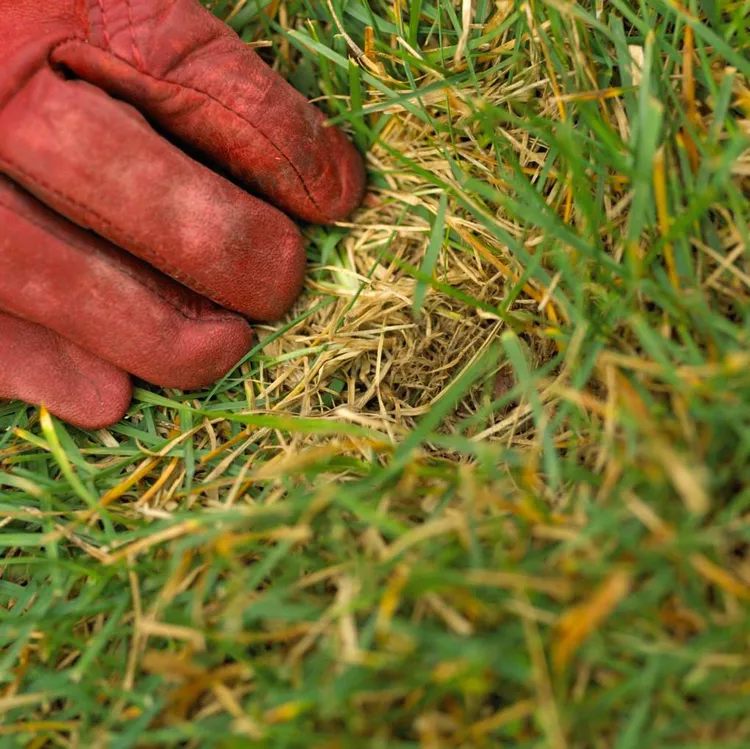
Thatch is a matted layer of grass stems, roots, stolons, rhizomes, and other organic debris that builds up faster than it can decompose. Thatch accumulates immediately below the green surface of the lawn—on top of the soil at the base of the blades. A layer of thatch less than ½ inch thick is normal and isn't cause for action. A thin layer of thatch is a good thing; it reduces soil compaction and increases tolerance for cold and heat by protecting the crown (the point on the plant where grass growth originates). Thatch also reduces water loss through evaporation.

If the thatch is more than ½ inch thick, it may cause trouble, and it might be time to dethatch the lawn. Think of it as a layer of plastic wrap on top of the soil. Your grass won't have access to air, water, or nutrients because thatch blocks them from reaching the roots. A thick layer of thatch can harbor disease-causing insects and fungi, prolong high humidity that promotes disease, and bind or tie up pesticides. As thatch builds, grass roots knit into the thatch layer instead of the soil, where they easily succumb to environmental stresses such as prolonged periods of hot, dry weather.

What Causes Thatch?

There are numerous causes for excessively thick thatch. The most common ones are:

  • Poorly aerated soil.
  • Excess nitrogen, which leads to excessive growth.
  • Too much water, which reduces the amount of oxygen in the soil.
  • Overzealous use of pesticides that kill earthworms and microorganisms that break down organic matter.

Some lawn grass varieties are more prone to developing thatch than others. For example, among the cool-season grass species, Kentucky bluegrass is a prime offender for spreading aggressively and accumulating thatch. Tall fescue may be a better choice for avoiding thatch. Bermudagrass is more likely to accumulate thatch than zoysiagrass among the warm-season grass species. Check with your local cooperative extension service to better understand the grass species that work in your area.

There are multiple ways to determine if your lawn has a thatch problem. The easiest is to check to see if your lawn is green on top but brown below. The best time to check is after you mow when you've just cut off the top green growth. If you have thatch, the lawn will look brown or dead. Another test is to walk across the lawn: If it feels spongy, it may be due to thatch.

If you're still unsure, use a spade or knife to cut several small plugs from the lawn. Measure the thatch, which appears as a layer of spongy brown material between the grass and the soil. Dethatching lawns is in order if the thatch is more than ½ inch deep.

When Is the Best Time for Dethatching Lawns?

Dethatching lawns should only be done when conditions are best to promote rapid recovery of your grass type. The best time to dethatch cool-season lawns is late August to early October, depending on your location, when the grass grows vigorously and few weed seeds are likely to germinate. A light application of fertilizer (½ to ¾ pound actual nitrogen per 1,000 square feet) and regular, deep watering will speed the lawn's recovery.

Dethatch warm-season lawns in late spring or early summer after they are completely green and growing rapidly.

How Do I Dethatch My Lawn?

There are several ways of dethatching lawns. For lawns with moderate levels of thatch, aerating may do the trick. Or use a cavex rake (also known as a thatching or lawn dethatcher rake) with unusual semicircular tines. Those knifelike blades cut through the sod and pull out the thatch. The most effective solution for dethatching lawns that are large and have serious thatch problems is a vertical mower (power rake). Resembling a heavy-duty power mower but with a series of spinning vertical knives, it cuts through the thatch.

Dethatching often creates a large volume of debris that must be removed. If the debris is weed-free and you have not used herbicides or pesticides on your lawn, compost it. You can also check to see if your city has a composting program for yard waste.

How Do I Reduce Future Thatch Accumulation?

Thatch is inevitable, but appropriate lawn care practices will reduce the severity in the future. Use the right type and amount of fertilizer for normal growth. Water deeply and thoroughly, but infrequently. Maintain proper pH levels for your grass type and adjust them if needed. Aerate your lawn regularly to make room for new growth.

How Do I Aerate My Lawn?

The roots of all plants need air as much as water, which is why aerating your lawn is so important. It's a simple process of perforating the soil (and any thatch) while removing plugs of lawn that leave behind small holes that allow water, air, and fertilizer to get to roots. Aeration enables the roots to grow deeply, producing a more vigorous lawn.

The best time to aerate cool-season lawns is late August through early October. The second best time is in the spring. (Wait until you've mowed the lawn twice before aerating in spring.) Follow with regular, frequent watering. The best time to aerate warm-season lawns is in late spring or early summer—or anytime followed by four weeks of good growing weather. Lawns with severe thatch problems may need twice-yearly aeration.


Frequently Asked Questions

  • Should I mow the lawn before dethatching it?

    Mow the lawn a little shorter than usual and water it lightly before dethatching. For the best results, dethatch when the soil is slightly moist, not dry. Don’t attempt to dethatch wet soil though; you’ll end up creating unwanted bare spots.

  • Should I dethatch my lawn before I overseed it?

    A thatch layer prevents new seed from reaching the ground. Dethatch right before you overseed to give seed the best chance to penetrate and grow.

Related Article

Boosting Community Resilience: NV Energy Foundation’s Generous Support for Southern Nevada Families
2.9K
293
49

Boosting Community Resilience: NV Energy Foundation’s Generous Support for Southern Nevada Families

East Valley Family Services in Las Vegas received a ,000 donation from the NV Energy Foundation to
Long Island school districts sue social media platforms alleging they hurt kids’ mental health
48.3K
3.4K
1.6K

Long Island school districts sue social media platforms alleging they hurt kids’ mental health

Eleven Long Island school districts have sued Facebook, Snapchat, TikTok, and YouTube, alleging thei
Six Morning Habits to Reduce Alzheimer's Risk
18.1K
1.8K
797

Six Morning Habits to Reduce Alzheimer's Risk

Beverly Mattson Food Bank offers grocery store-like experience at new Pottsville location
29.3K
292
137

Beverly Mattson Food Bank offers grocery store-like experience at new Pottsville location

The Beverly Mattson Food Bank has opened a new location in Pottsville, Pennsylvania, designed to pro
Knowing food safety in hot temperatures
20.8K
1.9K
336

Knowing food safety in hot temperatures

Warm summer weather can quickly lead to food poisoning, as bacteria thrive in hot and humid conditio
5 Simple Tips to Turn Your Backyard Pond Into a Serene and Relaxing Retreat
44.2K
1.3K
185

5 Simple Tips to Turn Your Backyard Pond Into a Serene and Relaxing Retreat

These landscaping and styling tricks can turn the area around your backyard pond into an idyllic staycation spot.
5 Smart Solutions for Dealing with Poor Drainage in Your Yard
37.2K
744
171

5 Smart Solutions for Dealing with Poor Drainage in Your Yard

Find out how to improve drainage in soil so that you can grow your garden plants. Or, if you can't, learn how to fix the soil that doesn't drain so that you can still enjoy colorful flowers.
How to Plant and Grow Papyrus
43.6K
2.6K
733

How to Plant and Grow Papyrus

Find essential tips on growing papyrus, an easy-care water plant that can remain outdoors year-round in a warm climate.
How to Make a Topiary for Your Garden
11.9K
716
322

How to Make a Topiary for Your Garden

Topiaries give a garden a classic look, and show off meticulous pruning skill. Take a colorful coleus to new heights with a simple trimming and staking technique to make this DIY topiary.
Here's How to Attract Colorful and Cheerful Songbirds to Your Yard
34.3K
2.1K
576

Here's How to Attract Colorful and Cheerful Songbirds to Your Yard

To learn how to attract songbirds to your backyard, follow our ten suggestions. Before you know it, there'll be lovely sounds of nature around you.
23 of the Most Fragrant Flowers That Add Sweet Scents to Any Garden
20.9K
208
81

23 of the Most Fragrant Flowers That Add Sweet Scents to Any Garden

Color and greenery are important, these plants with fragrant flowers will please your nose.
Birds Will Flock to Your Garden When You Plant Grasses for Wildlife 
10.6K
531
111

Birds Will Flock to Your Garden When You Plant Grasses for Wildlife 

Ornamental grasses for wildlife that bring birds to your garden are those that offer both food and shelter. Make your yard a bird favorite with these.
This Gorgeous Yard Proves a Flower-Filled Meadow Is Possible, Even in a Small Space
1.5K
91
35

This Gorgeous Yard Proves a Flower-Filled Meadow Is Possible, Even in a Small Space

A California family's meadow garden supports pollinators where their front lawn used to be.
How to Plant a Border Garden that Will Add Color to Your Landscape
6.5K
522
177

How to Plant a Border Garden that Will Add Color to Your Landscape

Learn how to create a vibrant border garden that will compliment your landscape and provide visual appeal of completeness.
Here's What Attracts Dragonflies and Damselflies to Eat Mosquitos
16.3K
487
204

Here's What Attracts Dragonflies and Damselflies to Eat Mosquitos

Learn what attracts dragonflies and damselflies to your yard to get rid of pesky mosquitos. They eat hundreds of mosquitos a day.
7 Must-Know Tips for Overseeding Your Lawn
13.1K
654
235

7 Must-Know Tips for Overseeding Your Lawn

Transform a sparse, thin lawn into a thick carpet of turf in just a few weeks. Use these essential tips for overseeding your lawn to ensure lush results.
7 Weeding Mistakes That Make Gardening Much Harder
30.2K
2.4K
265

7 Weeding Mistakes That Make Gardening Much Harder

Learn about properly weeding your garden by correcting these 7 common mistakes.
Soil Amendments & Nutrients
3.6K
71
27

Soil Amendments & Nutrients

Learn how to improve soil drainage, moisture retention, and aeration, by adding soil amendments or soil nutrients to make your soil richer and more productive.
Smart Deadheading Tips to Keep Your Flowers Blooming Longer
45.3K
3.6K
1.5K

Smart Deadheading Tips to Keep Your Flowers Blooming Longer

Here’s how to deadhead flowers to get the prettiest garden with long-lasting annuals and perennials that add color to your landscape.
Gardening Gloves Worse for Wear? Shop the Ones Over 17,000 Shoppers Swear By
15.3K
1.1K
536

Gardening Gloves Worse for Wear? Shop the Ones Over 17,000 Shoppers Swear By

These gardening gloves are beloved by shoppers, and they are 30% off right now. Perfect for gardening and other manual labor, each glove has a waterproof latex layer that’s durable and flexible, as well as an elastic cuff that keeps dirt and water at bay. Shop a six-pack of CoolJob Rubber Coated Gardening Gloves while it’s just on Amazon.