What to Know About Well-Drained Soil and Boosting Plant Drainage

39.7K
396
91
NNathan Brooks
2025-10-31
What to Know About Well-Drained Soil and Boosting Plant Drainage

While reading through garden plant descriptions, you've probably noticed that most varieties grow best in well-drained soil, but what does this mean, exactly? And how can you tell if your soil is well-draining? You want soil that supplies air and water to plant roots in about equal proportions. If you have coarse, sandy soil, you may notice that water drains quickly through it, so your plants dry out and wilt sooner. But in heavy clay soil, you may have the opposite problem, where water takes a long time to drain, causing roots to rot from a lack of air. If your garden soil suffers from either extreme, improving its drainage will go a long way toward creating a healthy, flourishing garden.

Characteristics of Well-Drained Soil

The spaces between the solid particles of any soil are filled with oxygen and water, both of which are necessary for healthy plant growth. When it rains or irrigates your garden, these pore spaces fill with water. As the water moves downward through the soil, it's replaced by air. This movement is referred to as soil drainage, and how fast it happens is what's important.

How to Tell If You Have Well-Drained Soil

Determining how well your soil drains is pretty easy. Just dig a hole about 12-18 inches wide and 12-18 inches deep (it doesn't have to be exact). Next, fill the hole with water. After it drains completely, refill it with water and note how long it takes for the water level to drop. In soil with good drainage, the level should drop about an inch per hour. Slower or faster than that could lead to problems, but there are several ways you can improve your soil's drainage.

How to Create Well-Draining Soil

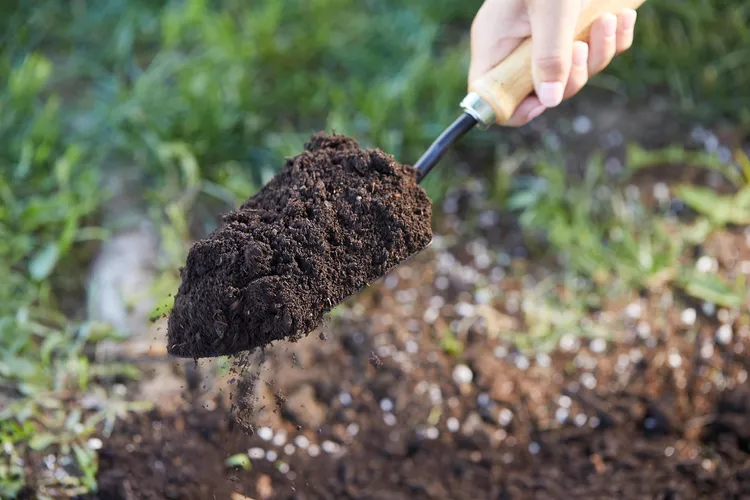
Digging organic matter (like compost or shredded leaves) into your existing soil is one of the best things you can do to improve soil drainage. This simple fix works for almost any soil that drains too fast or slowly. For an unplanted bed, spread 3-4 inches of your organic matter across the surface of the soil and work it into the top 8-12 inches (a garden tiller or pitchfork will do the job). For a bed that is already planted, add a couple of inches of compost to the soil surface each year, and over time, nature will do the mixing.

If you'd rather avoid lots of digging or want a quicker solution, raised beds are the answer. The beds should be 6-8 inches above the existing soil level. You can purchase or build raised beds from different materials and size them to suit your needs. Recipes abound for soil mixes for raised beds, but they're basically combinations of high-quality topsoil (40-60%) and compost or other well-decomposed organic matter.

Creating well-draining soil in pots is similar. You can either buy bagged potting mix or make your own blend. It's best not to use soil from your garden in containers, no matter how well-drained. It tends to be too heavy and can contain weed seeds and pets that could cause problems later.

Dealing with Drainage Differences

It's important to note that soil drainage may differ in various parts of your yard. This may be due to the removal of topsoil during construction, compaction with heavy equipment, or simply the lay of the land. If there's an area of the yard where the soil stays wet for long periods, the best solution may be to simply select plants that thrive in poorly drained, soggy soil. Similarly, if an area of your yard stays on the dry side, no matter how much it rains or how often you water, that's where you should place drought-tolerant plants.

If parts of your yard have very poor drainage, you may need to install a drain tile (a buried pipe to move water away from the problem area). This involves digging a trench about 18 inches deep, lining the bottom with gravel, and installing a perforated pipe that will carry excess water to an area beyond the garden. The pipe should be covered with gravel to keep soil from plugging it up before covering the pipe and trench with soil.

Note: This may be a project best done by a landscape professional.
Related Article

Boosting Community Resilience: NV Energy Foundation’s Generous Support for Southern Nevada Families
2.9K
293
49

Boosting Community Resilience: NV Energy Foundation’s Generous Support for Southern Nevada Families

East Valley Family Services in Las Vegas received a ,000 donation from the NV Energy Foundation to
Long Island school districts sue social media platforms alleging they hurt kids’ mental health
48.3K
3.4K
1.6K

Long Island school districts sue social media platforms alleging they hurt kids’ mental health

Eleven Long Island school districts have sued Facebook, Snapchat, TikTok, and YouTube, alleging thei
Six Morning Habits to Reduce Alzheimer's Risk
18.1K
1.8K
797

Six Morning Habits to Reduce Alzheimer's Risk

Beverly Mattson Food Bank offers grocery store-like experience at new Pottsville location
29.3K
292
137

Beverly Mattson Food Bank offers grocery store-like experience at new Pottsville location

The Beverly Mattson Food Bank has opened a new location in Pottsville, Pennsylvania, designed to pro
Knowing food safety in hot temperatures
20.8K
1.9K
336

Knowing food safety in hot temperatures

Warm summer weather can quickly lead to food poisoning, as bacteria thrive in hot and humid conditio
5 Simple Tips to Turn Your Backyard Pond Into a Serene and Relaxing Retreat
44.2K
1.3K
185

5 Simple Tips to Turn Your Backyard Pond Into a Serene and Relaxing Retreat

These landscaping and styling tricks can turn the area around your backyard pond into an idyllic staycation spot.
5 Smart Solutions for Dealing with Poor Drainage in Your Yard
37.2K
744
171

5 Smart Solutions for Dealing with Poor Drainage in Your Yard

Find out how to improve drainage in soil so that you can grow your garden plants. Or, if you can't, learn how to fix the soil that doesn't drain so that you can still enjoy colorful flowers.
How to Plant and Grow Papyrus
43.6K
2.6K
733

How to Plant and Grow Papyrus

Find essential tips on growing papyrus, an easy-care water plant that can remain outdoors year-round in a warm climate.
How to Make a Topiary for Your Garden
11.9K
716
322

How to Make a Topiary for Your Garden

Topiaries give a garden a classic look, and show off meticulous pruning skill. Take a colorful coleus to new heights with a simple trimming and staking technique to make this DIY topiary.
Here's How to Attract Colorful and Cheerful Songbirds to Your Yard
34.3K
2.1K
576

Here's How to Attract Colorful and Cheerful Songbirds to Your Yard

To learn how to attract songbirds to your backyard, follow our ten suggestions. Before you know it, there'll be lovely sounds of nature around you.
23 of the Most Fragrant Flowers That Add Sweet Scents to Any Garden
20.9K
208
81

23 of the Most Fragrant Flowers That Add Sweet Scents to Any Garden

Color and greenery are important, these plants with fragrant flowers will please your nose.
Birds Will Flock to Your Garden When You Plant Grasses for Wildlife 
10.6K
531
111

Birds Will Flock to Your Garden When You Plant Grasses for Wildlife 

Ornamental grasses for wildlife that bring birds to your garden are those that offer both food and shelter. Make your yard a bird favorite with these.
This Gorgeous Yard Proves a Flower-Filled Meadow Is Possible, Even in a Small Space
1.5K
91
35

This Gorgeous Yard Proves a Flower-Filled Meadow Is Possible, Even in a Small Space

A California family's meadow garden supports pollinators where their front lawn used to be.
How to Plant a Border Garden that Will Add Color to Your Landscape
6.5K
522
177

How to Plant a Border Garden that Will Add Color to Your Landscape

Learn how to create a vibrant border garden that will compliment your landscape and provide visual appeal of completeness.
Here's What Attracts Dragonflies and Damselflies to Eat Mosquitos
16.3K
487
204

Here's What Attracts Dragonflies and Damselflies to Eat Mosquitos

Learn what attracts dragonflies and damselflies to your yard to get rid of pesky mosquitos. They eat hundreds of mosquitos a day.
7 Must-Know Tips for Overseeding Your Lawn
13.1K
654
235

7 Must-Know Tips for Overseeding Your Lawn

Transform a sparse, thin lawn into a thick carpet of turf in just a few weeks. Use these essential tips for overseeding your lawn to ensure lush results.
7 Weeding Mistakes That Make Gardening Much Harder
30.2K
2.4K
265

7 Weeding Mistakes That Make Gardening Much Harder

Learn about properly weeding your garden by correcting these 7 common mistakes.
Soil Amendments & Nutrients
3.6K
71
27

Soil Amendments & Nutrients

Learn how to improve soil drainage, moisture retention, and aeration, by adding soil amendments or soil nutrients to make your soil richer and more productive.
Smart Deadheading Tips to Keep Your Flowers Blooming Longer
45.3K
3.6K
1.5K

Smart Deadheading Tips to Keep Your Flowers Blooming Longer

Here’s how to deadhead flowers to get the prettiest garden with long-lasting annuals and perennials that add color to your landscape.
Gardening Gloves Worse for Wear? Shop the Ones Over 17,000 Shoppers Swear By
15.3K
1.1K
536

Gardening Gloves Worse for Wear? Shop the Ones Over 17,000 Shoppers Swear By

These gardening gloves are beloved by shoppers, and they are 30% off right now. Perfect for gardening and other manual labor, each glove has a waterproof latex layer that’s durable and flexible, as well as an elastic cuff that keeps dirt and water at bay. Shop a six-pack of CoolJob Rubber Coated Gardening Gloves while it’s just on Amazon.