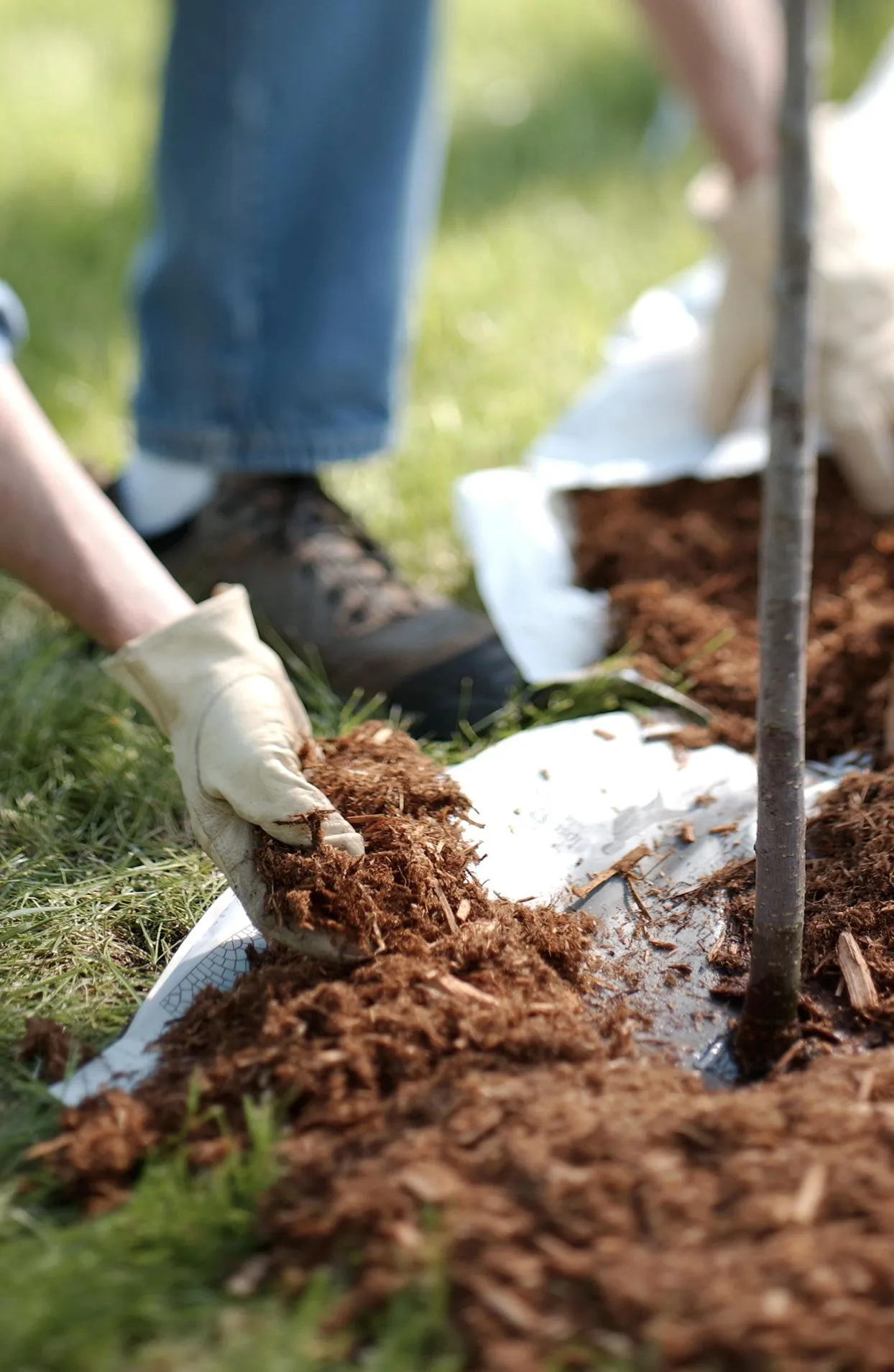
When you know how to mulch your garden properly, you'll provides a host of benefits to your plants. These include shading roots on hot days, preventing moisture from evaporating, and stopping weeds from taking root. But it's important to learn the differences between mulch materials and how to choose the best one for the job. This guide will explain everything you need to know about how to mulch your garden.
There are two basic kinds of mulch: Organic and inorganic. Organic materials—wood, bark, compost, grass clippings, and leaves—will decompose and improve the soil. A chipper/shredder or stand-alone leaf mulcher are two ways to make your own. They last a few years, after which you'll need to add more. In addition, organic mulches are easy to spread and do no harm if mixed into soil, as will happen when planting annuals or shrubs, for example.
Stone, by contrast, is meant to be a more or less permanent mulch, to be put in place atop a layer of landscape fabric and left alone. It's the lowest-maintenance option but not easy to plant in. So the key question is: Will I be doing any gardening that requires digging and moving mulch aside to plant ornamentals? You'll want to stick with organic mulch if the answer is yes.
Every kind of organic mulch has pros and cons. For example, bark nuggets are widely available but can float away in heavy rain. Cocoa hulls have a distinct aroma (some like it, some don't) but are relatively expensive and toxic to dogs. Shredded bark or wood is the most common landscape mulch—it's inexpensive and easy to apply, but it doesn't add as many nutrients to the soil as some other mulches.
You can also use waste from your yard as mulch, such as grass clippings, leaves, and compost. Compost adds a lot of nutrients but isn't good at deterring weeds. If you compost at home, it's not a good idea to use it to mulch flower beds unless you know that the compost got hot enough to kill weed seeds. Otherwise, you might end up with more weeds, not less!
Using grass clippings as mulch can spread weed and grass seeds, so only use it if you're sure it doesn't contain seeds. Also, wet grass clippings can mat down and actually prevent water from reaching the soil, so let them dry before using as mulch. Leaves are a practical example of how to mulch if they're shredded first. Pine needles are long-lasting and an excellent mulch around acid-loving plants like azaleas because pine needles acidify soil.
Although the process of mulching seems simple (you just put it over the dirt, right?), there are some things to keep in mind. These are some of our best mulching tips.
Here's how to avoid one of the worst mulching mistakes: When mulching like an expert, eye measurement isn’t the best approach. No matter the size of your garden bed or border, rely on an easy yet specific formula to know exactly how much mulch is required (and then some, just in case). Keep in mind that one cubic yard of mulch, regardless of the material, can cover an area of 324 square feet at a depth of an inch. So, how much do you need?
For the total amount, simply multiply the square footage of your yard, trees, or bushes, by the desired depth in inches and divide that by 324. Most bags of mulch may yield 2 cubic feet, and prices are usually reasonable. However, don’t forget to add to your budget additional items to prep the area as noted above. Consider doubling the 1-inch formula if you’d like a deeper layer of mulch or to create a modern landscape design where different mulching techniques are used.
Boosting Community Resilience: NV Energy Foundation’s Generous Support for Southern Nevada Families
East Valley Family Services in Las Vegas received a ,000 donation from the NV Energy Foundation to
Long Island school districts sue social media platforms alleging they hurt kids’ mental health
Eleven Long Island school districts have sued Facebook, Snapchat, TikTok, and YouTube, alleging thei
Six Morning Habits to Reduce Alzheimer's Risk
Beverly Mattson Food Bank offers grocery store-like experience at new Pottsville location
The Beverly Mattson Food Bank has opened a new location in Pottsville, Pennsylvania, designed to pro
Knowing food safety in hot temperatures
Warm summer weather can quickly lead to food poisoning, as bacteria thrive in hot and humid conditio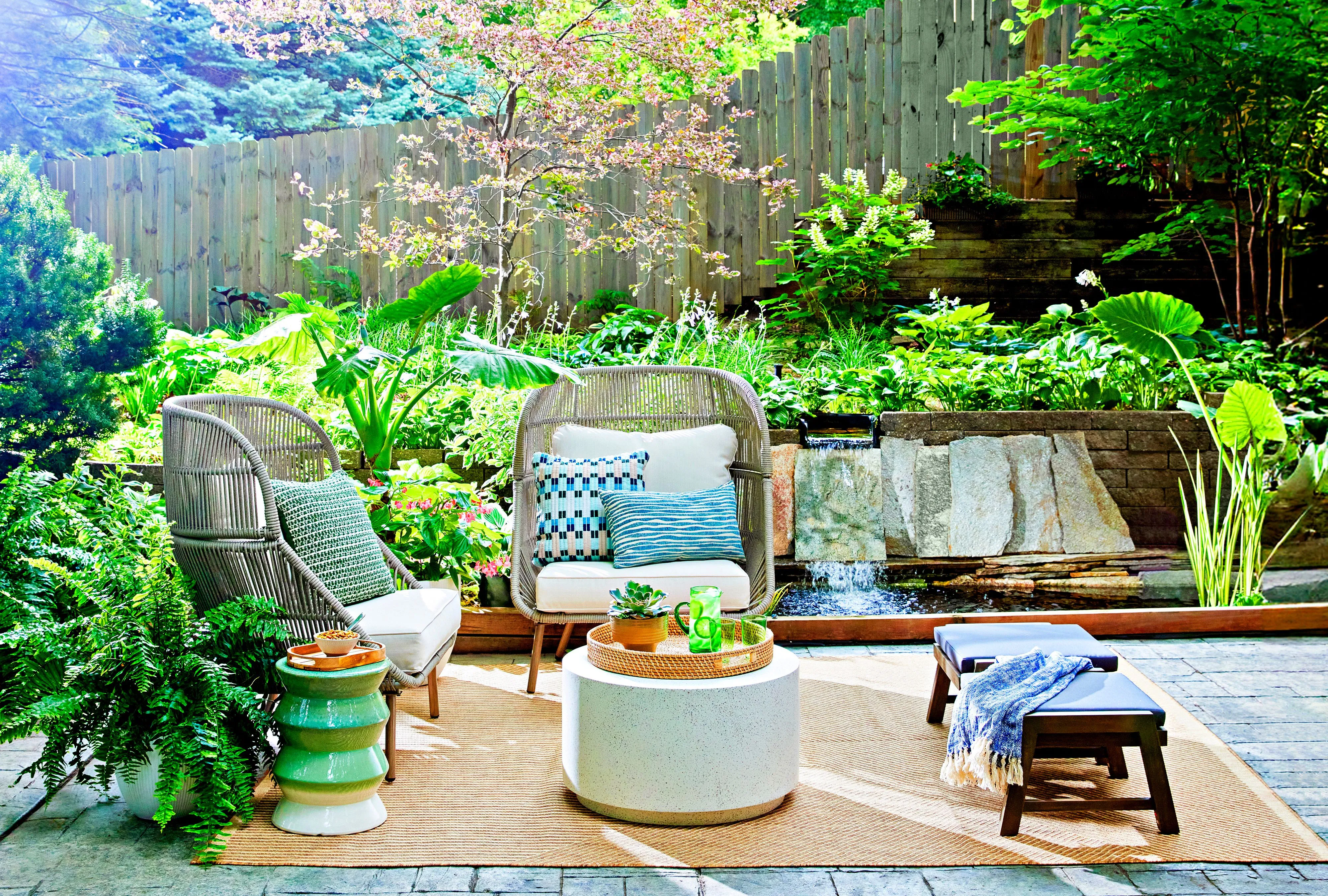
5 Simple Tips to Turn Your Backyard Pond Into a Serene and Relaxing Retreat
These landscaping and styling tricks can turn the area around your backyard pond into an idyllic staycation spot.
5 Smart Solutions for Dealing with Poor Drainage in Your Yard
Find out how to improve drainage in soil so that you can grow your garden plants. Or, if you can't, learn how to fix the soil that doesn't drain so that you can still enjoy colorful flowers.
How to Plant and Grow Papyrus
Find essential tips on growing papyrus, an easy-care water plant that can remain outdoors year-round in a warm climate.
How to Make a Topiary for Your Garden
Topiaries give a garden a classic look, and show off meticulous pruning skill. Take a colorful coleus to new heights with a simple trimming and staking technique to make this DIY topiary.
Here's How to Attract Colorful and Cheerful Songbirds to Your Yard
To learn how to attract songbirds to your backyard, follow our ten suggestions. Before you know it, there'll be lovely sounds of nature around you.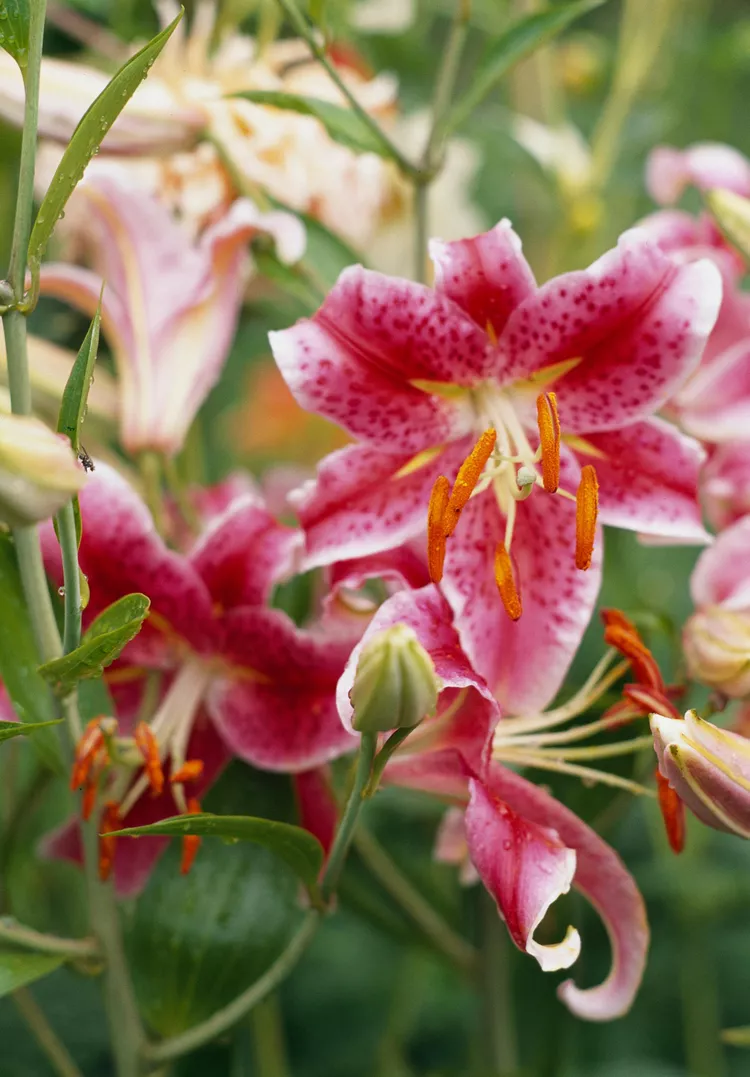
23 of the Most Fragrant Flowers That Add Sweet Scents to Any Garden
Color and greenery are important, these plants with fragrant flowers will please your nose.
Birds Will Flock to Your Garden When You Plant Grasses for Wildlife
Ornamental grasses for wildlife that bring birds to your garden are those that offer both food and shelter. Make your yard a bird favorite with these.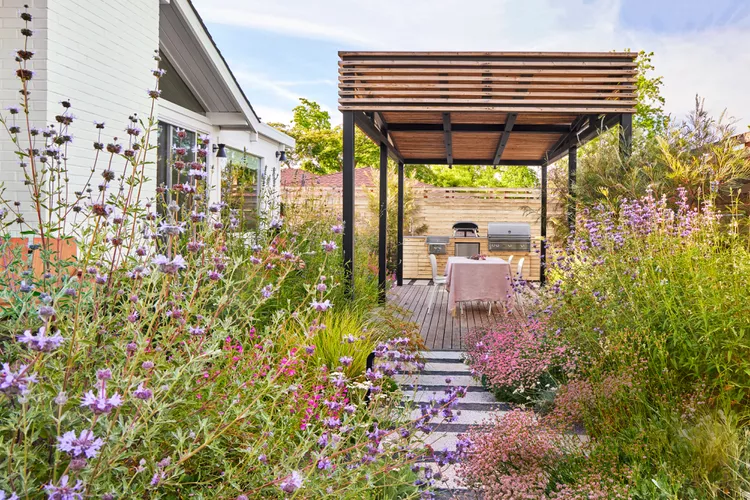
This Gorgeous Yard Proves a Flower-Filled Meadow Is Possible, Even in a Small Space
A California family's meadow garden supports pollinators where their front lawn used to be.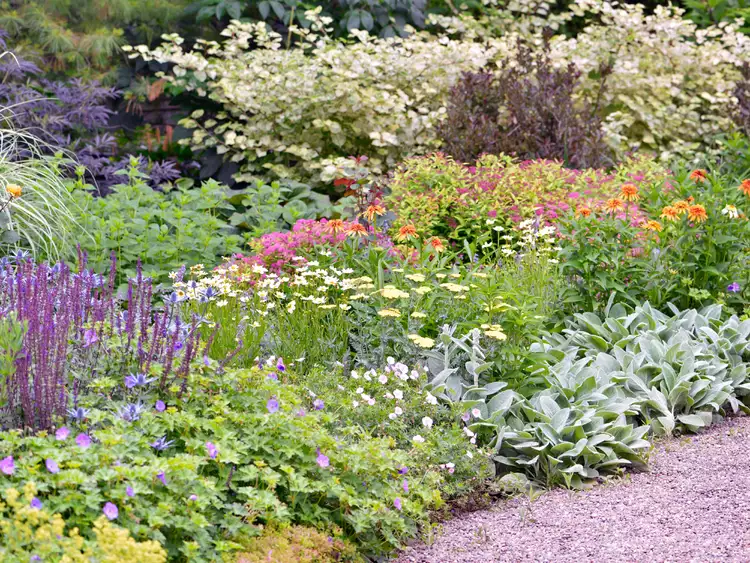
How to Plant a Border Garden that Will Add Color to Your Landscape
Learn how to create a vibrant border garden that will compliment your landscape and provide visual appeal of completeness.
Here's What Attracts Dragonflies and Damselflies to Eat Mosquitos
Learn what attracts dragonflies and damselflies to your yard to get rid of pesky mosquitos. They eat hundreds of mosquitos a day.
7 Must-Know Tips for Overseeding Your Lawn
Transform a sparse, thin lawn into a thick carpet of turf in just a few weeks. Use these essential tips for overseeding your lawn to ensure lush results.
7 Weeding Mistakes That Make Gardening Much Harder
Learn about properly weeding your garden by correcting these 7 common mistakes.
Soil Amendments & Nutrients
Learn how to improve soil drainage, moisture retention, and aeration, by adding soil amendments or soil nutrients to make your soil richer and more productive.
Smart Deadheading Tips to Keep Your Flowers Blooming Longer
Here’s how to deadhead flowers to get the prettiest garden with long-lasting annuals and perennials that add color to your landscape.
Gardening Gloves Worse for Wear? Shop the Ones Over 17,000 Shoppers Swear By
These gardening gloves are beloved by shoppers, and they are 30% off right now. Perfect for gardening and other manual labor, each glove has a waterproof latex layer that’s durable and flexible, as well as an elastic cuff that keeps dirt and water at bay. Shop a six-pack of CoolJob Rubber Coated Gardening Gloves while it’s just on Amazon.