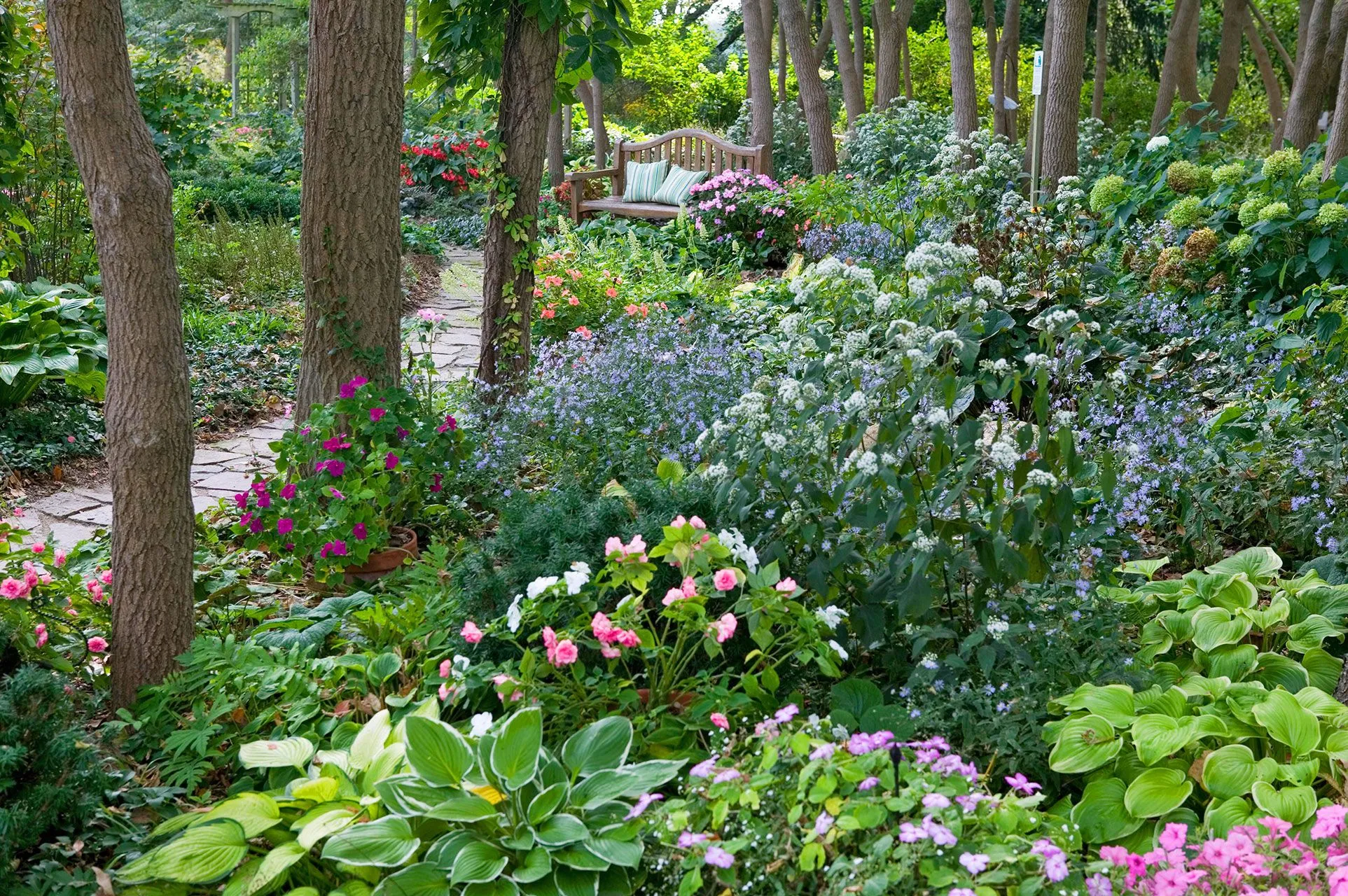
In certain parts of the United States, wildfires and the resulting smoke have been causing air quality warnings and orange, hazy skies once again this summer. Beyond the effects wildfire smoke can have on us, our gardens could also be impacted. We asked experts to explain the potential stress your plants could experience, and to share some easy ways you can protect your garden as those ominous clouds of smoke roll through.
<strong>Hillary Jufer</strong>is the horticulture program manager at Cornell University’s Cooperative Extension program.
<strong>Anthony Garza</strong> is the horticulture and grounds supervisor at the University of California Botanical Garden at Berkeley.
Incoming smoke and ash can stress outdoor plants because these particles scatter light, allowing less to reach leaves directly. When plants receive less sunlight, their photosynthetic process slows down, preventing them from growing as well. Most plants can tolerate a few days of reduced light, but if your area is experiencing thick smoke for more than a week, you may notice your plants looking less healthy.
Because the smoke comes from forest fires, you don’t need to worry too much about the effects of plastics, chemicals, or acid rain on gardens, says Hillary Jufer, the horticulture program manager at Cornell University’s Cooperative Extension program. The most important thing is to minimize stress on your plants as much as you can until the smoke clears.
Most well-established trees, shrubs, and perennials will handle a short spell of smoky conditions just fine. But more delicate and fast-growing plants, such as herbs, vegetables, and flowers, may need extra attention. Use these expert tips to minimize smoke damage to them.
“The simplest thing one can do—whether this is potted plants or plants in the ground—is to make sure that things are well-hydrated during these episodes,” says Anthony Garza, the horticulture and grounds supervisor at the University of California Botanical Garden at Berkeley. “That extra heat and smoke can put stress on that plant.”
Jufer adds that if the weather is also very hot and dry, your container plants will be thirsty. “You might need to water them every day or twice a day,” she says, depending on rainfall.
You’ll often hear the advice to avoid wetting your plants’ leaves while watering so you don’t encourage diseases to take hold and spread. But if your outdoor plants have collected some dust or ash during a period of heavy smoke, rinsing them off with a hose can be beneficial. This quick wash cleans debris off leaves to allow more light to hit them. Plus it will provide them with a bit more moisture as they bounce back from periods of high stress.
Do your rinsing in the morning. This allows the water to evaporate off the leaves more quickly as the day warms up, which will help minimize diseases. Shower off your plants every couple of days until the smoke has dissipated.
“Lessening the stress for your plants with the watering, with the washing down, is probably the most practical thing that most of us could manage,” says Garza. But for edible crops and other plants you want to keep especially sheltered, he suggests using floating row covers or a frost cloth. Usually used to ward off frost and pests, these permeable materials offer a budget-friendly physical barrier against dust and ash too.
Garza cautions that while these covers do let through some light, they may compound the already-low levels of sunlight that plants are exposed to. If kept on too long, this can further impede photosynthesis, adding to problem. Remove the covers as soon as the smoke levels begin to improve.
Specifically in a greenhouse, or for indoor plants more affected by a change in sunlight, Garza suggests adding supplemental light with LEDs. You don’t need to bathe all your plants in light, though—Garza says this is best for those more precious, delicate plants in your collection.

Boosting Community Resilience: NV Energy Foundation’s Generous Support for Southern Nevada Families
East Valley Family Services in Las Vegas received a ,000 donation from the NV Energy Foundation to
Long Island school districts sue social media platforms alleging they hurt kids’ mental health
Eleven Long Island school districts have sued Facebook, Snapchat, TikTok, and YouTube, alleging thei
Six Morning Habits to Reduce Alzheimer's Risk

Beverly Mattson Food Bank offers grocery store-like experience at new Pottsville location
The Beverly Mattson Food Bank has opened a new location in Pottsville, Pennsylvania, designed to pro
Knowing food safety in hot temperatures
Warm summer weather can quickly lead to food poisoning, as bacteria thrive in hot and humid conditio
5 Simple Tips to Turn Your Backyard Pond Into a Serene and Relaxing Retreat
These landscaping and styling tricks can turn the area around your backyard pond into an idyllic staycation spot.
5 Smart Solutions for Dealing with Poor Drainage in Your Yard
Find out how to improve drainage in soil so that you can grow your garden plants. Or, if you can't, learn how to fix the soil that doesn't drain so that you can still enjoy colorful flowers.
How to Plant and Grow Papyrus
Find essential tips on growing papyrus, an easy-care water plant that can remain outdoors year-round in a warm climate.
How to Make a Topiary for Your Garden
Topiaries give a garden a classic look, and show off meticulous pruning skill. Take a colorful coleus to new heights with a simple trimming and staking technique to make this DIY topiary.
Here's How to Attract Colorful and Cheerful Songbirds to Your Yard
To learn how to attract songbirds to your backyard, follow our ten suggestions. Before you know it, there'll be lovely sounds of nature around you.
23 of the Most Fragrant Flowers That Add Sweet Scents to Any Garden
Color and greenery are important, these plants with fragrant flowers will please your nose.
Birds Will Flock to Your Garden When You Plant Grasses for Wildlife
Ornamental grasses for wildlife that bring birds to your garden are those that offer both food and shelter. Make your yard a bird favorite with these.
This Gorgeous Yard Proves a Flower-Filled Meadow Is Possible, Even in a Small Space
A California family's meadow garden supports pollinators where their front lawn used to be.
How to Plant a Border Garden that Will Add Color to Your Landscape
Learn how to create a vibrant border garden that will compliment your landscape and provide visual appeal of completeness.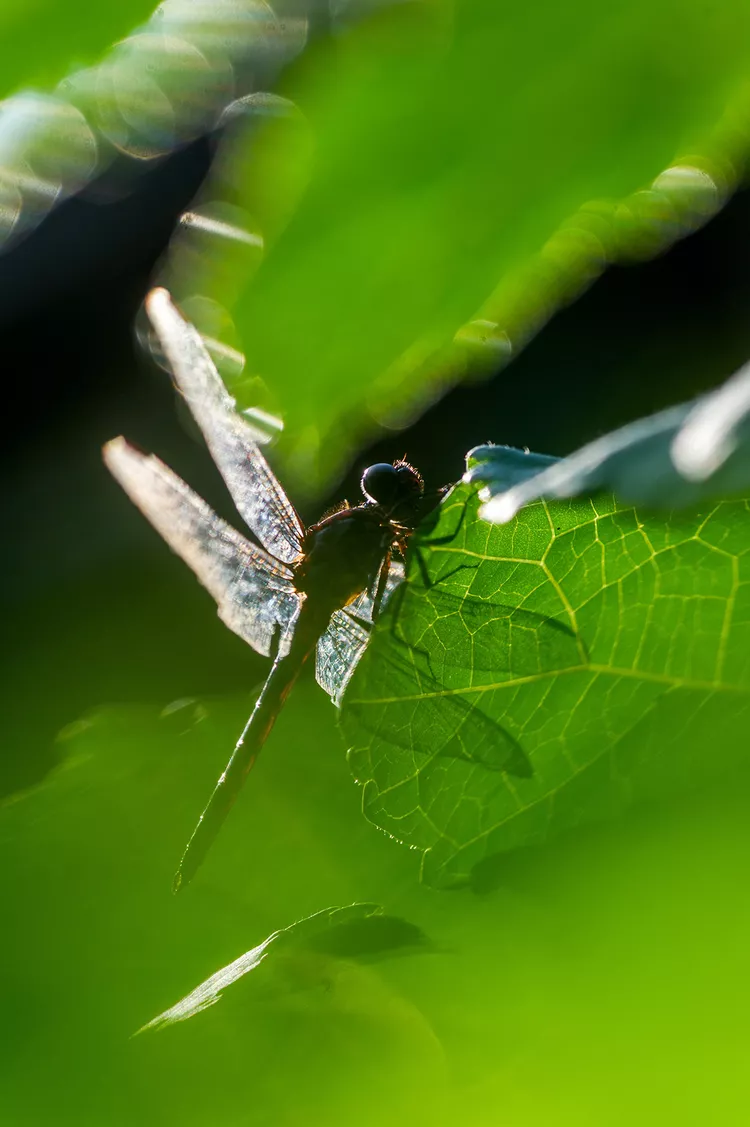
Here's What Attracts Dragonflies and Damselflies to Eat Mosquitos
Learn what attracts dragonflies and damselflies to your yard to get rid of pesky mosquitos. They eat hundreds of mosquitos a day.
7 Must-Know Tips for Overseeding Your Lawn
Transform a sparse, thin lawn into a thick carpet of turf in just a few weeks. Use these essential tips for overseeding your lawn to ensure lush results.
7 Weeding Mistakes That Make Gardening Much Harder
Learn about properly weeding your garden by correcting these 7 common mistakes.
Soil Amendments & Nutrients
Learn how to improve soil drainage, moisture retention, and aeration, by adding soil amendments or soil nutrients to make your soil richer and more productive.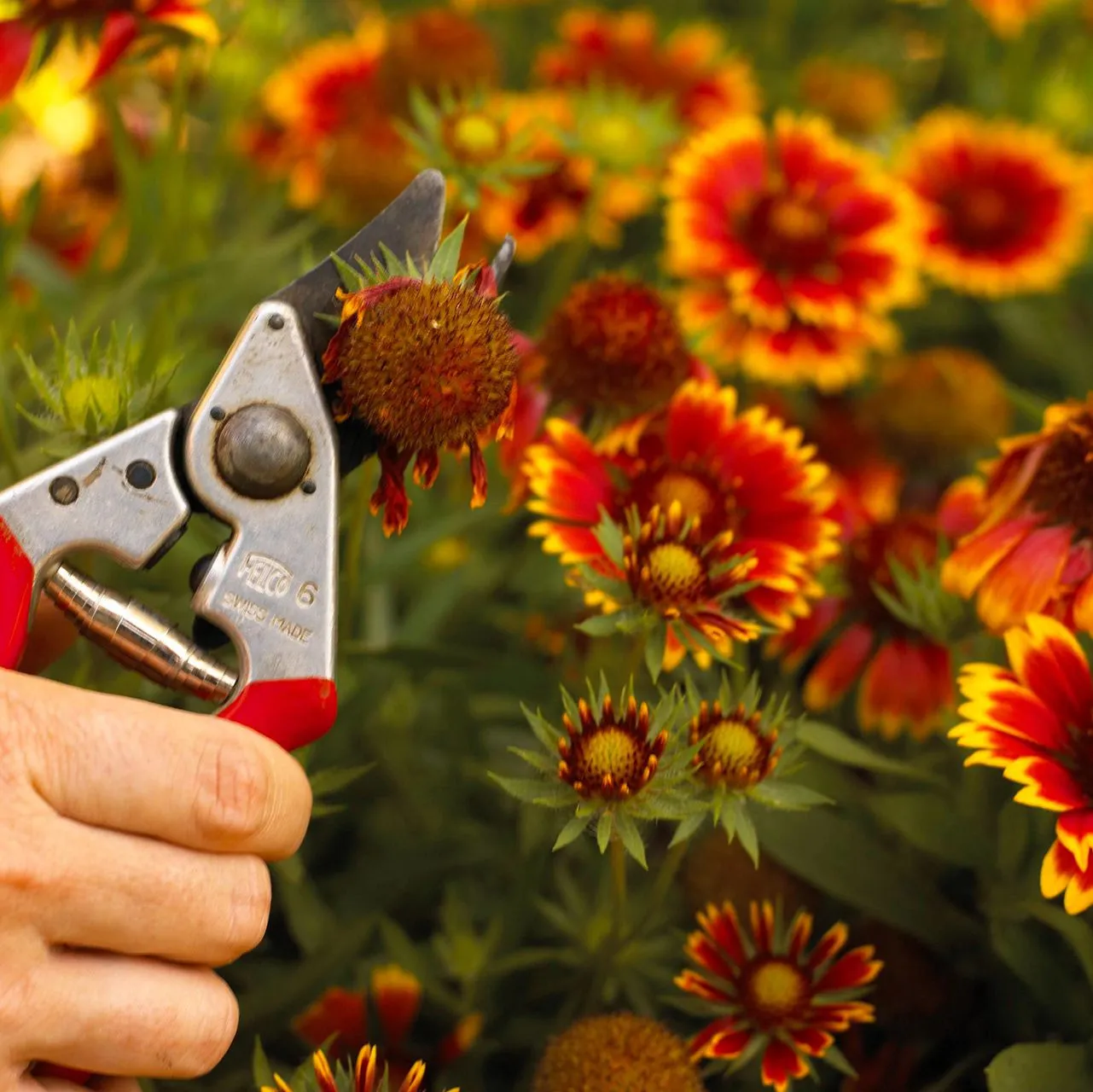
Smart Deadheading Tips to Keep Your Flowers Blooming Longer
Here’s how to deadhead flowers to get the prettiest garden with long-lasting annuals and perennials that add color to your landscape.
Gardening Gloves Worse for Wear? Shop the Ones Over 17,000 Shoppers Swear By
These gardening gloves are beloved by shoppers, and they are 30% off right now. Perfect for gardening and other manual labor, each glove has a waterproof latex layer that’s durable and flexible, as well as an elastic cuff that keeps dirt and water at bay. Shop a six-pack of CoolJob Rubber Coated Gardening Gloves while it’s just on Amazon.