5 Must-Know Tips for Designing a Natural Garden

46.2K
4.6K
462
NNathan Brooks
2025-10-28
5 Must-Know Tips for Designing a Natural Garden

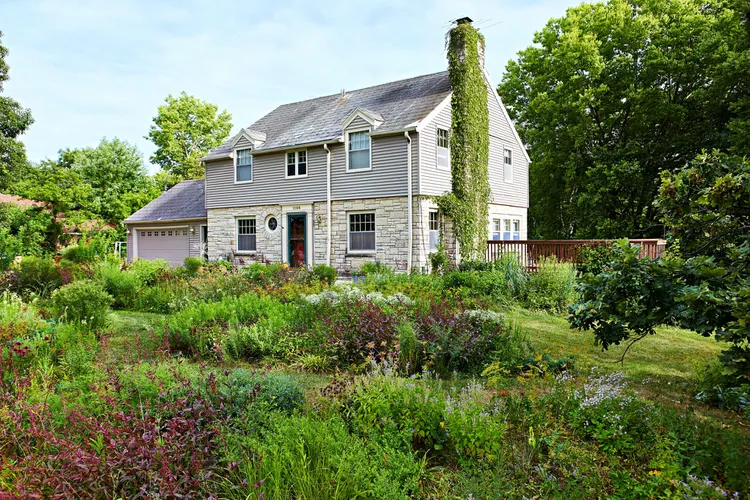
Maybe you're thinking about replacing your lawn with something more sustainable. Perhaps you have a shady spot where nothing grows. Or you may be looking to create more habitat for wildlife such as birds and butterflies. A natural garden or landscape is an increasingly popular solution for all of these situations, but perhaps you're worried it will look too weedy or messy. Here are five design tips that will help you create a space that appeals to both people and wildlife.

1. Choose compatible native plants.

You’ve probably heard the adage of “right plant, right place,” and never has this been more true than in natural garden design. What this saying means is that if a plant grows in dry clay in full sun in the wild, that’s where you should place it in your landscape. Sometimes we force plants into conditions they don’t like because we find the plant beautiful, but that is antithetical to natural design. With a little research, you can find all kinds of cool native plants you never knew about that would work great for your site instead.

Further, if you have a smaller front yard or garden bed, it’s wise to select species that are behaved clumpers. This means they don’t self sow or shoot out runners aggressively. In addition to creating maintenance headaches, unruly plants in a too-small space are the ones that truly look weedy. 

Further, if you have a smaller front yard or garden bed, it’s wise to select species that are behaved clumpers. This means they don’t self sow or shoot out runners aggressively. In addition to creating maintenance headaches, unruly, spreading plants in too small a space are the ones that truly look weedy. 

2. Repetition is your friend.

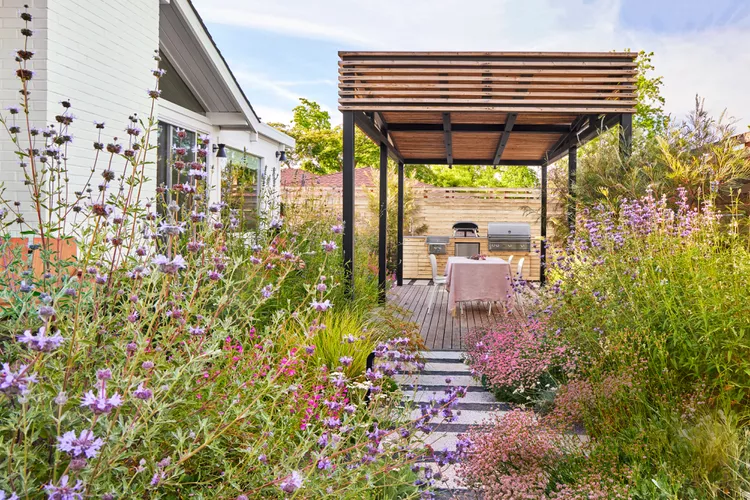
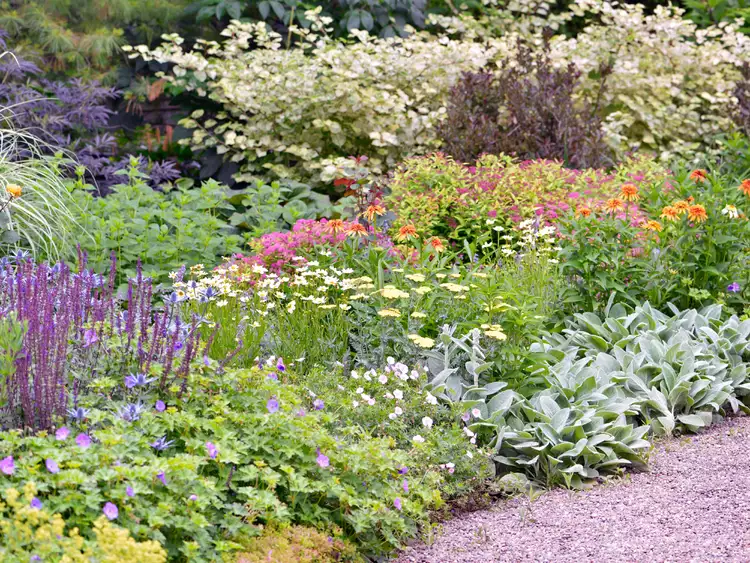
Our eyes have evolved to seek out patterns in nature to make sense of the seeming chaos. In fact, our eyes move in a pattern of fractal geometry (which also defines how plants and animals grow, and helps us map coastlines and forests). Walk through a meadow and try it. You’ll soon notice how you’re viewing repeated flower masses across the space. To get that natural look in your landscape, group each type of plant in 3-5 of a kind, then repeat that 3, 5, or 7 times. The repetition helps our eyes "read" the landscape and see purpose.

In a natural meadow or woodland, you’ll also notice how plants are almost growing on top of one another, in close quarters and in layers. So plant everything 12 inches apart to cover open ground. This will help shade out weeds and create habitat for birds, frogs, and other wildlife.

3. Don't overdo flowers.

Aim to have no more than three types of flowering perennials in bloom at one time. Why only three? It helps not overwhelm the space with color. But isn't that what we want–tons of blooms and color? Yes, except that too much will appear messy and unorganized.

Don't worry, you’ll still have plenty of flowers throughout the growing season with this rule of three. At the same time, you’ll be meeting traditional garden design and aesthetic expectations in the middle, which is what you want to do if you're hoping to encourage neighbors to follow you down the wilder path (or at least appreciate its beauty). You can always add more later as you gain experience and as our wilder spaces gain more acceptance.

4. Keep things shorter.

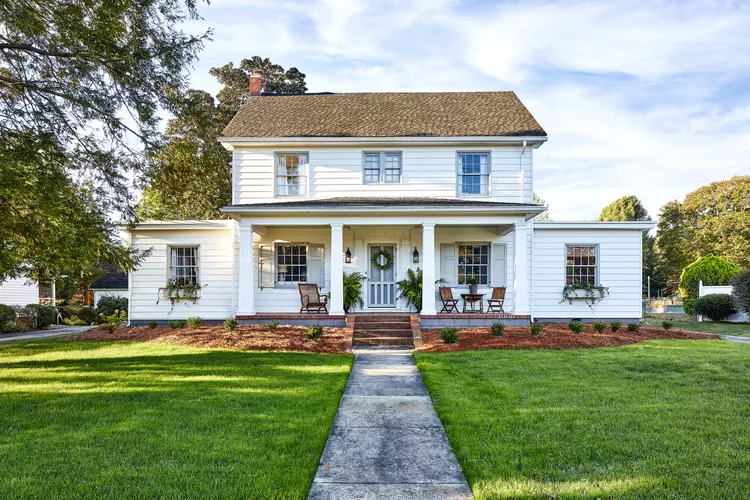
This strategy goes for foundation beds as well as entire front yards. Generally, selecting species that are under 2-3 feet tall will help provide continuity to the space as well as help folks see over, into, and through the landscape. Seeing this way is comforting; after all, we evolved in grasslands looking into the distance for predators, where anything blocking the view would be disconcerting. The same principle applies to busy street corners where cars need to see oncoming traffic and kids on bikes. Keep it low and go with the flow. 

5. Plant for bloom succession, fall color, winter seed heads.

This last design strategy almost takes care of itself because it’s what plants do: they change leaf color in autumn (even herbaceous perennials), and many have attractive seed heads and umbels in winter. And if you have 15-20 species in your landscape, you’ll almost by default have bloom succession.

Still, the hardest period of the year to have blooms are the in-between shoulder seasons–late spring into early summer, and late summer into early fall. So especially pay attention to species that fit your site and bloom during these times, even if it’s just one or two. And don’t forget that winter is a season full of design possibility, and brown is a color, too, with many rich hues.

A natural garden may be born from wilder roots but it's still a garden that requires planning and thought. It can be beautiful to all species who come through the space, human and bird and spider and bee, without losing any of its power or resonance to support for the environment.


Related Article

Boosting Community Resilience: NV Energy Foundation’s Generous Support for Southern Nevada Families
2.9K
293
49

Boosting Community Resilience: NV Energy Foundation’s Generous Support for Southern Nevada Families

East Valley Family Services in Las Vegas received a ,000 donation from the NV Energy Foundation to
Long Island school districts sue social media platforms alleging they hurt kids’ mental health
48.3K
3.4K
1.6K

Long Island school districts sue social media platforms alleging they hurt kids’ mental health

Eleven Long Island school districts have sued Facebook, Snapchat, TikTok, and YouTube, alleging thei
Six Morning Habits to Reduce Alzheimer's Risk
18.1K
1.8K
797

Six Morning Habits to Reduce Alzheimer's Risk

Beverly Mattson Food Bank offers grocery store-like experience at new Pottsville location
29.3K
292
137

Beverly Mattson Food Bank offers grocery store-like experience at new Pottsville location

The Beverly Mattson Food Bank has opened a new location in Pottsville, Pennsylvania, designed to pro
Knowing food safety in hot temperatures
20.8K
1.9K
336

Knowing food safety in hot temperatures

Warm summer weather can quickly lead to food poisoning, as bacteria thrive in hot and humid conditio
5 Simple Tips to Turn Your Backyard Pond Into a Serene and Relaxing Retreat
44.2K
1.3K
185

5 Simple Tips to Turn Your Backyard Pond Into a Serene and Relaxing Retreat

These landscaping and styling tricks can turn the area around your backyard pond into an idyllic staycation spot.
5 Smart Solutions for Dealing with Poor Drainage in Your Yard
37.2K
744
171

5 Smart Solutions for Dealing with Poor Drainage in Your Yard

Find out how to improve drainage in soil so that you can grow your garden plants. Or, if you can't, learn how to fix the soil that doesn't drain so that you can still enjoy colorful flowers.
How to Plant and Grow Papyrus
43.6K
2.6K
733

How to Plant and Grow Papyrus

Find essential tips on growing papyrus, an easy-care water plant that can remain outdoors year-round in a warm climate.
How to Make a Topiary for Your Garden
11.9K
716
322

How to Make a Topiary for Your Garden

Topiaries give a garden a classic look, and show off meticulous pruning skill. Take a colorful coleus to new heights with a simple trimming and staking technique to make this DIY topiary.
Here's How to Attract Colorful and Cheerful Songbirds to Your Yard
34.3K
2.1K
576

Here's How to Attract Colorful and Cheerful Songbirds to Your Yard

To learn how to attract songbirds to your backyard, follow our ten suggestions. Before you know it, there'll be lovely sounds of nature around you.
23 of the Most Fragrant Flowers That Add Sweet Scents to Any Garden
20.9K
208
81

23 of the Most Fragrant Flowers That Add Sweet Scents to Any Garden

Color and greenery are important, these plants with fragrant flowers will please your nose.
Birds Will Flock to Your Garden When You Plant Grasses for Wildlife 
10.6K
531
111

Birds Will Flock to Your Garden When You Plant Grasses for Wildlife 

Ornamental grasses for wildlife that bring birds to your garden are those that offer both food and shelter. Make your yard a bird favorite with these.
This Gorgeous Yard Proves a Flower-Filled Meadow Is Possible, Even in a Small Space
1.5K
91
35

This Gorgeous Yard Proves a Flower-Filled Meadow Is Possible, Even in a Small Space

A California family's meadow garden supports pollinators where their front lawn used to be.
How to Plant a Border Garden that Will Add Color to Your Landscape
6.5K
522
177

How to Plant a Border Garden that Will Add Color to Your Landscape

Learn how to create a vibrant border garden that will compliment your landscape and provide visual appeal of completeness.
Here's What Attracts Dragonflies and Damselflies to Eat Mosquitos
16.3K
487
204

Here's What Attracts Dragonflies and Damselflies to Eat Mosquitos

Learn what attracts dragonflies and damselflies to your yard to get rid of pesky mosquitos. They eat hundreds of mosquitos a day.
7 Must-Know Tips for Overseeding Your Lawn
13.1K
654
235

7 Must-Know Tips for Overseeding Your Lawn

Transform a sparse, thin lawn into a thick carpet of turf in just a few weeks. Use these essential tips for overseeding your lawn to ensure lush results.
7 Weeding Mistakes That Make Gardening Much Harder
30.2K
2.4K
265

7 Weeding Mistakes That Make Gardening Much Harder

Learn about properly weeding your garden by correcting these 7 common mistakes.
Soil Amendments & Nutrients
3.6K
71
27

Soil Amendments & Nutrients

Learn how to improve soil drainage, moisture retention, and aeration, by adding soil amendments or soil nutrients to make your soil richer and more productive.
Smart Deadheading Tips to Keep Your Flowers Blooming Longer
45.3K
3.6K
1.5K

Smart Deadheading Tips to Keep Your Flowers Blooming Longer

Here’s how to deadhead flowers to get the prettiest garden with long-lasting annuals and perennials that add color to your landscape.
Gardening Gloves Worse for Wear? Shop the Ones Over 17,000 Shoppers Swear By
15.3K
1.1K
536

Gardening Gloves Worse for Wear? Shop the Ones Over 17,000 Shoppers Swear By

These gardening gloves are beloved by shoppers, and they are 30% off right now. Perfect for gardening and other manual labor, each glove has a waterproof latex layer that’s durable and flexible, as well as an elastic cuff that keeps dirt and water at bay. Shop a six-pack of CoolJob Rubber Coated Gardening Gloves while it’s just on Amazon.