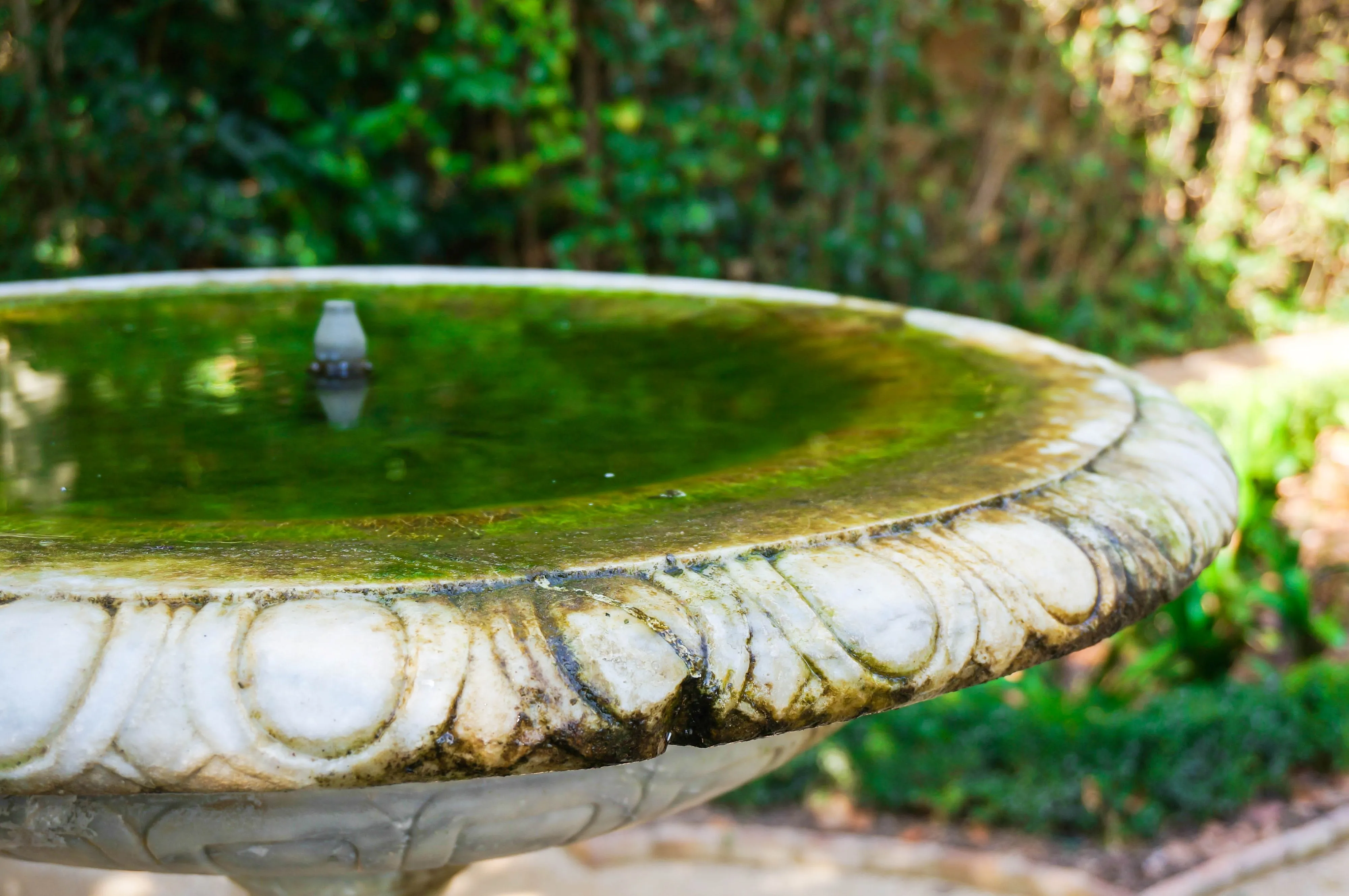
Bird baths add beauty and excitement to gardens by drawing in cardinals, nuthatches, and other backyard birds. But if you don’t stay on top of maintenance, bird baths can develop unsightly algae and potentially pose a health hazard to the very birds you want to attract.
Here’s a look at why algae forms in bird baths, how it impacts bird health, and simple tips to get rid of algae and ensure baths are always safe for your favorite feathered friends.
Rachel Pidgen is the environmental stewardship and conservation coordinator at the Wye Marsh Wildlife Centre in Midland, Ontario.
The common green algae that is most likely to occur in bird baths is typically non-toxic and doesn’t harm birds directly. However, the presence of algae may indicate that bird baths need more regular maintenance and that they may already be providing the perfect habitat for pathogens that pose much more serious health risks to birds than algae does.
Algae is most likely to occur in bird baths that are warm due to their exposure to bright sun and have an overabundance of nutrients from bird droppings, fallen leaves, and spilled bird seed. But this environment doesn’t just promote algae blooms. It also provides the exact conditions that encourage the growth of parasites and bacteria like trichomoniasis and salmonella, which can prove fatal to any bird that stops by for a drink.
Cleaning bird baths regularly is the single best way to stay on top of algae problems and reduce the risk of bacterial growth and other issues. Not to mention, regular maintenance makes baths more pleasing to the eye and easier to maintain in the long run. Best of all, birds are more likely to visit baths that are sparkling clean and filled with a ready source of fresh water.
Algae can be a real hassle to deal with if it’s allowed to build up in bird baths, so it’s better to prevent algae from forming in the first place.
If you want to stay on top of algae issues and ensure bird baths stay safe for birds, the most important thing you can do is stick to a regular cleaning routine.
“Definitely clean water sources daily and sterilize them regularly,” advises Rachel Pidgen, environmental stewardship and conservation coordinator at the Wye Marsh Wildlife Centre in Midland, Ontario. “Bird baths are high-risk areas for avian influenza and other diseases.”
During warm weather, bird bath water should be emptied and refreshed daily. Baths should be cleaned more vigorously every few days to keep algae from settling in. Concrete and stone baths are more porous and should be scrubbed thoroughly with a stiff wire brush to keep algae from growing, while resin and ceramic baths should be cleaned with a soft brush or cloth to avoid scratches.
Experts recommend avoiding products intended to prevent algae growth, as their effects on wildlife have not been well studied. Instead, simply scrub baths with warm water only and don’t use any detergents or cleaning products like bleach, which can be toxic to birds.
Swapping out bird baths that are made of porous materials like concrete or stone for ones made of ceramic or resin and adding a small solar-powered fountain or bubbler can also make bird baths easier to clean, reduce algae blooms, and make mosquitoes less likely to visit as well.
Regularly cleaning baths in this manner should be enough to prevent major algae issues. However, if you want to be doubly sure that your bird bath doesn’t develop algae, you may also want to reconsider its placement in your garden.
“Positioning bird baths in a spot with afternoon shade can keep the water from overheating or becoming too overgrown with algae,” explains Pidgen.
Aside from sun exposure, it’s also a good idea to locate bird baths away from bird feeders so seeds are less likely to be tracked into the water.
Bird baths that are made of porous materials or that aren’t cleaned regularly may develop a thick coating of algae that’s challenging to treat. But with a bit of elbow grease and some clever tricks, you can get rid of the most stubborn bird bath algae without breaking a sweat.
To start, completely drain your bird bath and then scrub it thoroughly with a brush or cloth that’s suitable for the material your bird bath is made of. Just use warm water and don’t apply any detergents or cleaning products while you work.
If scrubbing alone isn’t enough to dislodge the algae, place the drained bird bath in a sunny section of your yard and allow it to bake in the UV light of the sun for a few hours to kill stubborn algae. Alternatively, you can also destroy algae by spraying the bath with a mixture of 1 part distilled white vinegar and 9 parts water. Then, let the vinegar spray sit for 5 minutes before washing all traces of the vinegar away with your hose.
Distilled white vinegar is safe to use in bird baths as long as you completely rinse it away after cleaning so it doesn’t damage delicate bird feathers.
Baking soda is a mild abrasive that can be used to clean bird baths and algae as long as you completely rinse away all residue after cleaning.

Boosting Community Resilience: NV Energy Foundation’s Generous Support for Southern Nevada Families
East Valley Family Services in Las Vegas received a ,000 donation from the NV Energy Foundation to
Long Island school districts sue social media platforms alleging they hurt kids’ mental health
Eleven Long Island school districts have sued Facebook, Snapchat, TikTok, and YouTube, alleging thei
Six Morning Habits to Reduce Alzheimer's Risk

Beverly Mattson Food Bank offers grocery store-like experience at new Pottsville location
The Beverly Mattson Food Bank has opened a new location in Pottsville, Pennsylvania, designed to pro
Knowing food safety in hot temperatures
Warm summer weather can quickly lead to food poisoning, as bacteria thrive in hot and humid conditio
5 Simple Tips to Turn Your Backyard Pond Into a Serene and Relaxing Retreat
These landscaping and styling tricks can turn the area around your backyard pond into an idyllic staycation spot.
5 Smart Solutions for Dealing with Poor Drainage in Your Yard
Find out how to improve drainage in soil so that you can grow your garden plants. Or, if you can't, learn how to fix the soil that doesn't drain so that you can still enjoy colorful flowers.
How to Plant and Grow Papyrus
Find essential tips on growing papyrus, an easy-care water plant that can remain outdoors year-round in a warm climate.
How to Make a Topiary for Your Garden
Topiaries give a garden a classic look, and show off meticulous pruning skill. Take a colorful coleus to new heights with a simple trimming and staking technique to make this DIY topiary.
Here's How to Attract Colorful and Cheerful Songbirds to Your Yard
To learn how to attract songbirds to your backyard, follow our ten suggestions. Before you know it, there'll be lovely sounds of nature around you.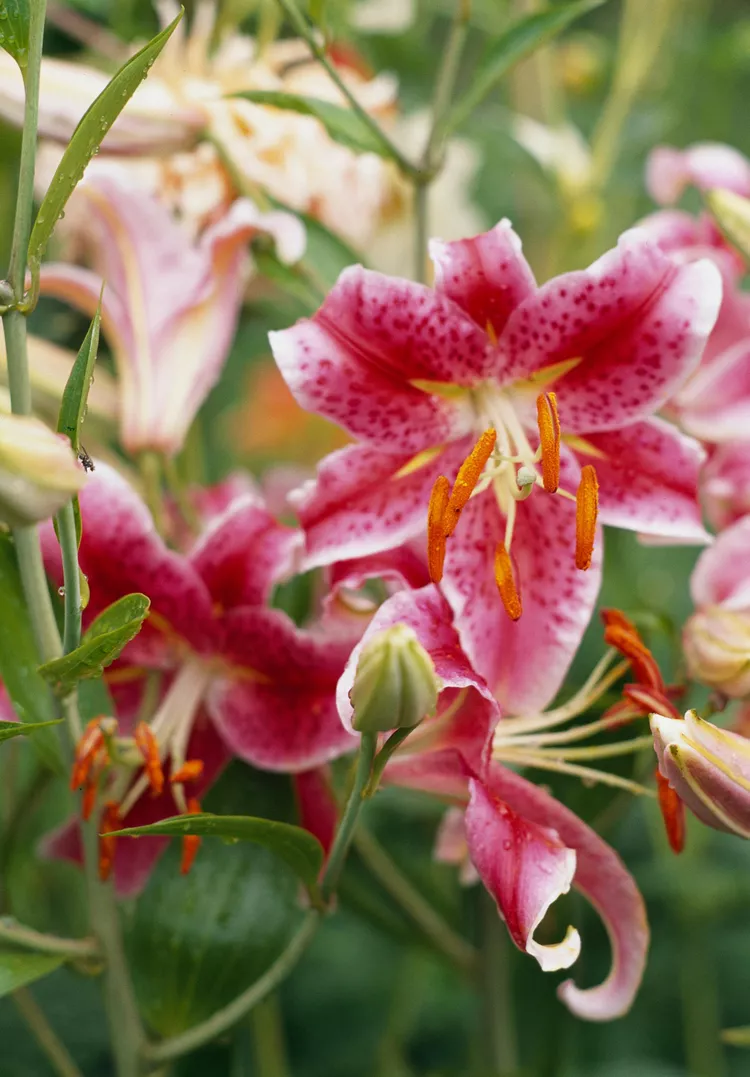
23 of the Most Fragrant Flowers That Add Sweet Scents to Any Garden
Color and greenery are important, these plants with fragrant flowers will please your nose.
Birds Will Flock to Your Garden When You Plant Grasses for Wildlife
Ornamental grasses for wildlife that bring birds to your garden are those that offer both food and shelter. Make your yard a bird favorite with these.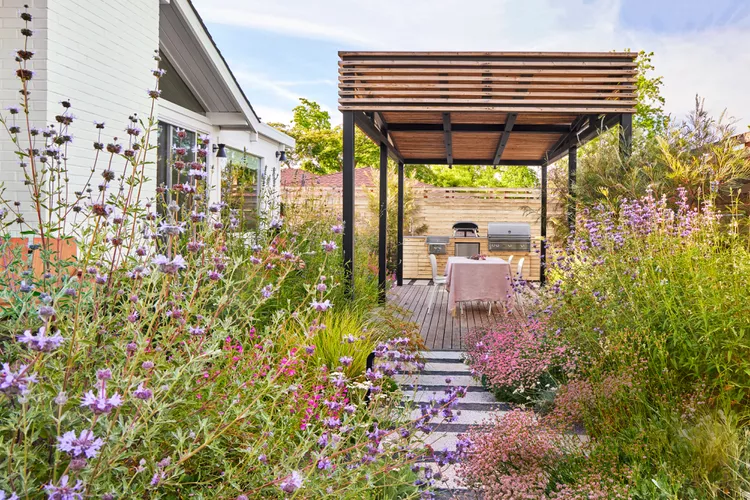
This Gorgeous Yard Proves a Flower-Filled Meadow Is Possible, Even in a Small Space
A California family's meadow garden supports pollinators where their front lawn used to be.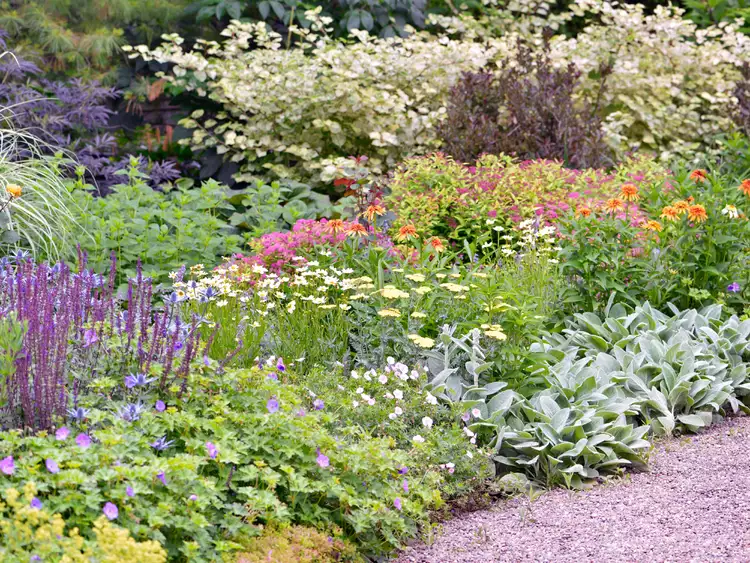
How to Plant a Border Garden that Will Add Color to Your Landscape
Learn how to create a vibrant border garden that will compliment your landscape and provide visual appeal of completeness.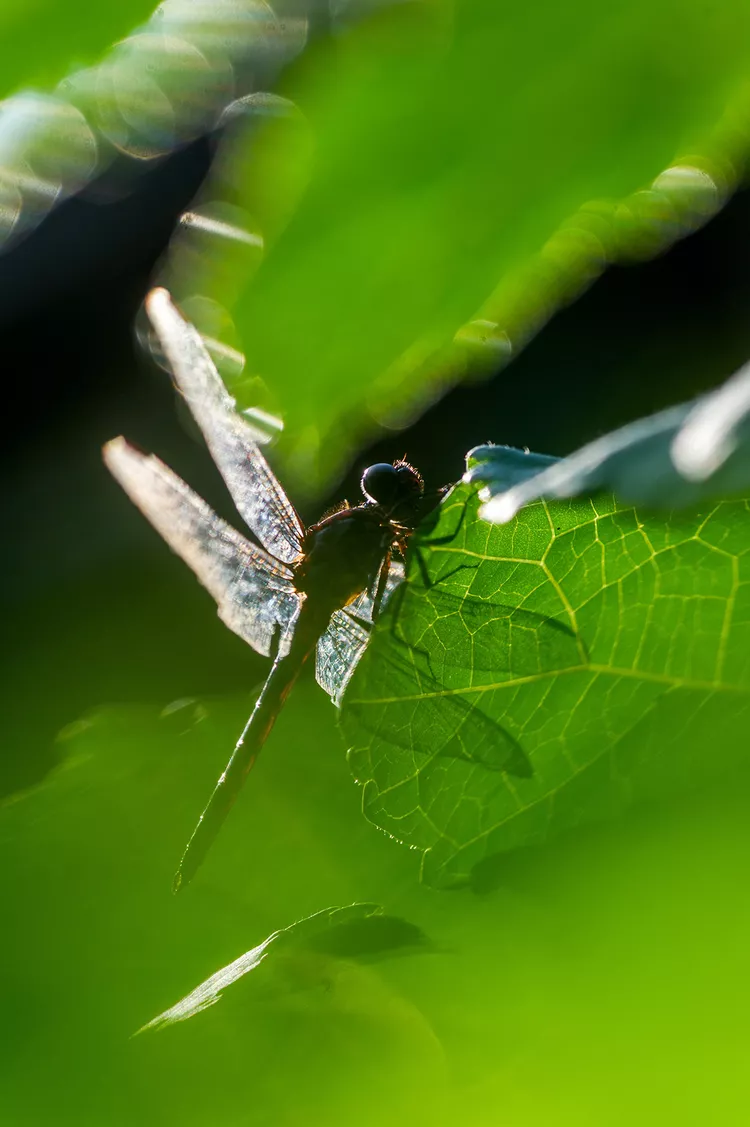
Here's What Attracts Dragonflies and Damselflies to Eat Mosquitos
Learn what attracts dragonflies and damselflies to your yard to get rid of pesky mosquitos. They eat hundreds of mosquitos a day.
7 Must-Know Tips for Overseeding Your Lawn
Transform a sparse, thin lawn into a thick carpet of turf in just a few weeks. Use these essential tips for overseeding your lawn to ensure lush results.
7 Weeding Mistakes That Make Gardening Much Harder
Learn about properly weeding your garden by correcting these 7 common mistakes.
Soil Amendments & Nutrients
Learn how to improve soil drainage, moisture retention, and aeration, by adding soil amendments or soil nutrients to make your soil richer and more productive.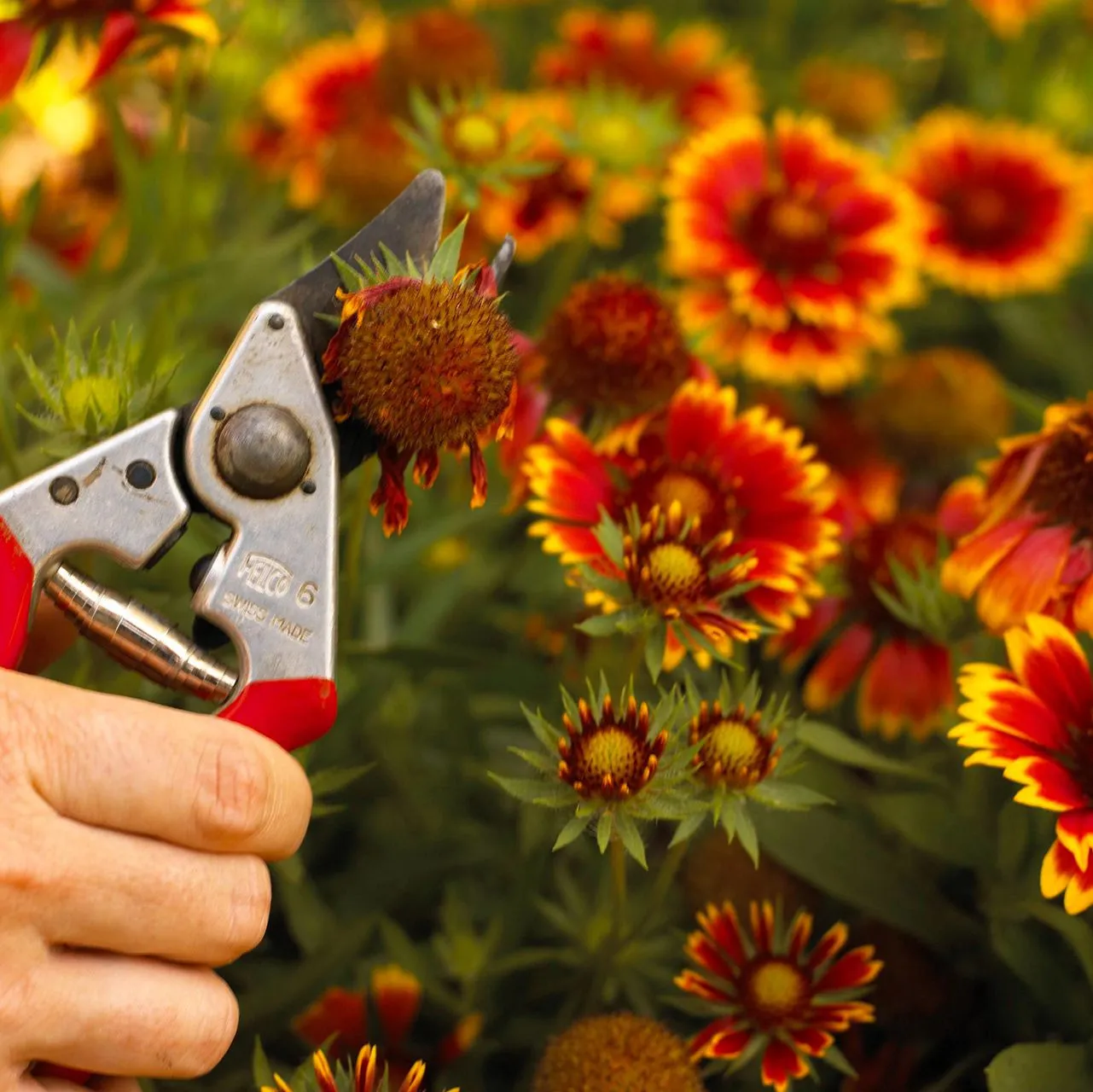
Smart Deadheading Tips to Keep Your Flowers Blooming Longer
Here’s how to deadhead flowers to get the prettiest garden with long-lasting annuals and perennials that add color to your landscape.
Gardening Gloves Worse for Wear? Shop the Ones Over 17,000 Shoppers Swear By
These gardening gloves are beloved by shoppers, and they are 30% off right now. Perfect for gardening and other manual labor, each glove has a waterproof latex layer that’s durable and flexible, as well as an elastic cuff that keeps dirt and water at bay. Shop a six-pack of CoolJob Rubber Coated Gardening Gloves while it’s just on Amazon.