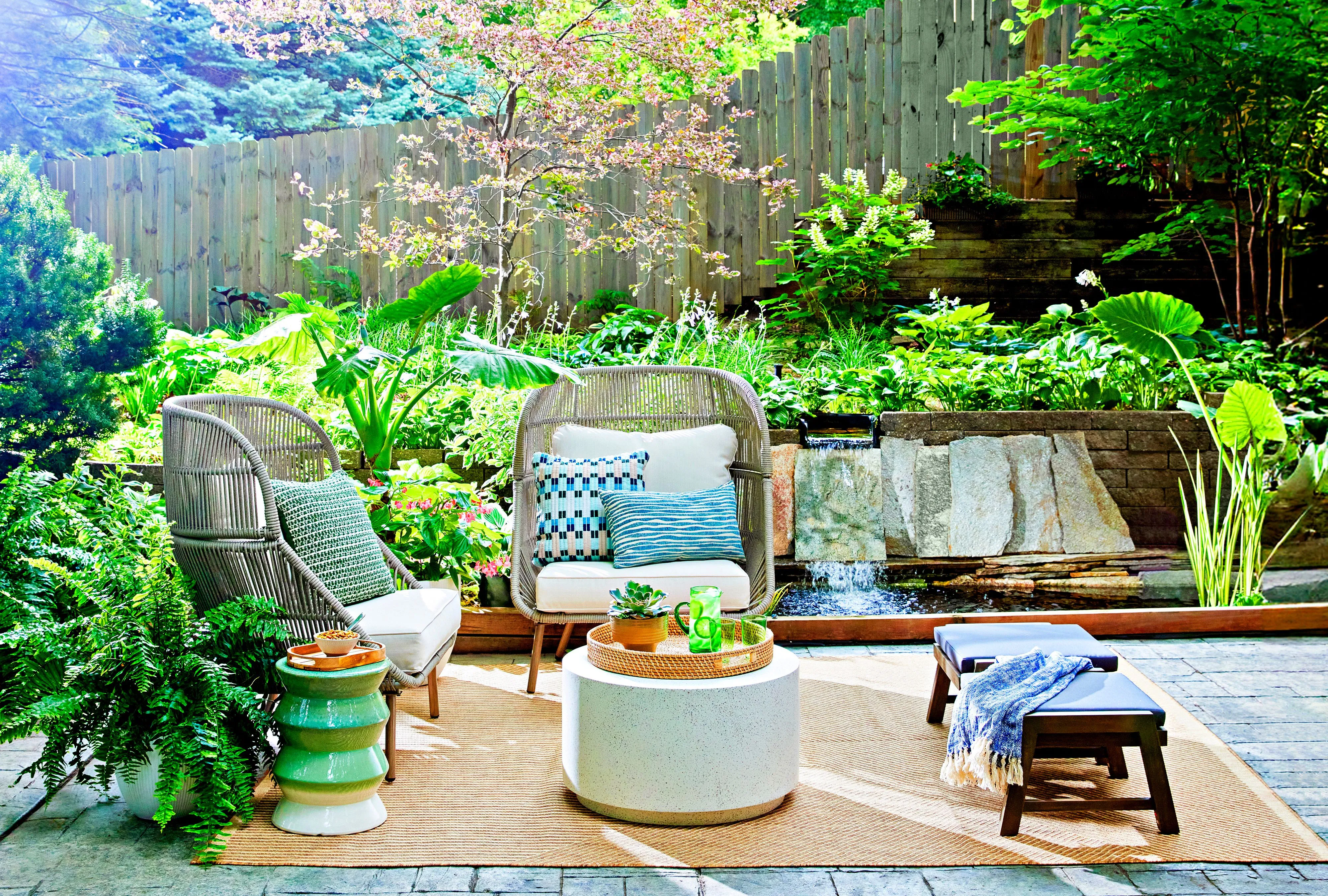

Whether you want to create a riot of color in your yard with flowers, screen your patio with lush greenery, or just fill a few porch pots, buying all your favorite plants can add up fast. But it's possible to have the garden of your dreams without blowing your entire paycheck. Knowing the following plant shopping dos and don'ts can go a long way to saving you money the next time you need to make some garden purchases. And if you tend to buy a plant almost every time you leave the house, these expert tips will help you make the most of your gardening dollars.
1. Research plants before going shopping.
Buying the wrong plants for your garden will end up wasting money. Before you start shopping, you'll want to identify plants that are hardy in your region (like these hardy to zone 8 Better Homes & Gardens 2.5 Qt Bicolor Pansies, Set of 3, $45, Walmart) and will thrive in the amount of sunlight and type of soil you have. Taking this step will help save you from buying plants that are likely to die because they're not right for your climate or local growing conditions.
"Researching plants ahead of time can inform you about which plants have natural disease resistance, drought resistance, or benefit native pollinator species," says Hillary Swetz, a certified Master Gardener and creator of the frugal living website Homegrown Hillary. "You also want to make sure the plant you would like to grow will have enough time to grow in your zone. Tropical plants have a hard time in northern climates, for example."
2. Buy plants from local nurseries.
Local growers often specialize in plants that perform well in your exact location. Therefore, they do a lot of research, trial-and-error testing, and chatting with experts to find the best species and varieties, says Swetz. All of which means that doing your plant shopping at local nurseries and garden centers not only translates to better quality plants suited to your area; it's also likely to be more budget-friendly than buying through a large nationwide retailer.
"Local farmers also know proper seed-starting techniques and how to keep plants healthy for sale," adds Swetz. "If they sell seedlings, you can bet the slightly higher price tag (compared to a big-box store) will actually be cost-effective in the long run."
3. Time your plant purchases carefully.
Savvy gardeners know that spring is the most expensive time of the year to buy plants. "That's because everyone is excited to get outside in the garden after the long winter. But if you wait until after the spring rush, you'll find that many plants will go on sale in early summer," says Amy Andrychowicz, creator of the site Get Busy Gardening. "The selection may be smaller, but you'll get a much bigger bang for your buck."
Fall end-of-season sales are another opportunity to do your plant shopping for less, adds Andrychowicz. "That's when the stores are trying to get rid of their inventory before winter, to clear their shelves for the next season of goods," explains Andrychowicz. Plus, she points out that "fall is a great time for planting perennials, trees, and shrubs as the weather turns cooler."
4. Purchase seeds and smaller plants (rather than huge ones).
Nurseries have to pay for the labor to start, grow, and maintain their inventory of plants. They also bake the cost of risk (such as crop failure and drought) into their profit margin. These are some of the reasons larger, more mature plants get pricey, says Swetz. "Take on that risk and labor yourself to save a pretty penny, and buy seeds and small seedlings," suggests Swetz.
Yes, larger-size plants give you instant gratification, but if stretching your garden budget is the goal, buying smaller sizes (and a few small pots like these Better Homes & Gardens Kiernan 6-inch Ceramic Reactive Planters, set of 3, $24, Walmart) of your desired plants is one of the best routes to take, says Andrychowicz. "Many times, you can buy a whole flat of plugs or several smaller plants for the same price as a single larger one," she explains. "It may take an extra season for them to grow in, but you can fill more garden space for a fraction of the cost of buying all of those larger plants."
5. Look for plants that can be divided.
As you're walking the aisles of the nursery or garden center, be on the lookout for plants that look particularly full (like this Better Homes & Gardens 1.5G Alstroemeria Inca Live Plant, $33, Walmart). Once you get your purchase home, you may be able to separate it into pieces, essentially giving you two (or more) plants for the price of one. This works best with annuals and perennials that have multiple stems growing up from the pot.
"I always like to buy the plants that are about to bust out of their pot, which means I can divide them into two or more sections before planting them in my garden," explains Andrychowicz.
6. Save seeds and let plants go to seed.
The natural order of a plant is to try and make more of itself. Allowing some of the plants you're growing go to seed so that you can then use those seeds elsewhere in your yard is one way to save money on plant purchases. Collecting and propagating cuttings, tubers, bulbs, and rhizomes from your existing plants are also good ways to get more of the plants you love without having to spend a fortune on plant shopping, explains Swetz.
"If you want to take cuttings from favorite plants, you can stick them in water until they develop roots, then plant in a pot," says Swetz. "Or you can dip the stem in a $5 bottle of rooting hormone powder for an even faster grow."
7. Shop local and community plant sales.
In springtime, every civic organization, school, public garden, and garden club seems to have a plant sale. Keep your eyes peeled for these types of events because they can be perfect places to score a bargain on plants. "Usually, the plants are donated from local nurseries or lovingly grown by community members," says Swetz. "They're a great way to support local causes and get great deals on plants."
8. Check for a clearance rack.
Garden centers are fully aware that flowering plants sell the best and the fastest. So, they'll often move plants that are finished blooming to a clearance rack somewhere in the back of the store, says Andrychowicz. "Which means you can snap them up for a fraction of the cost," she says.
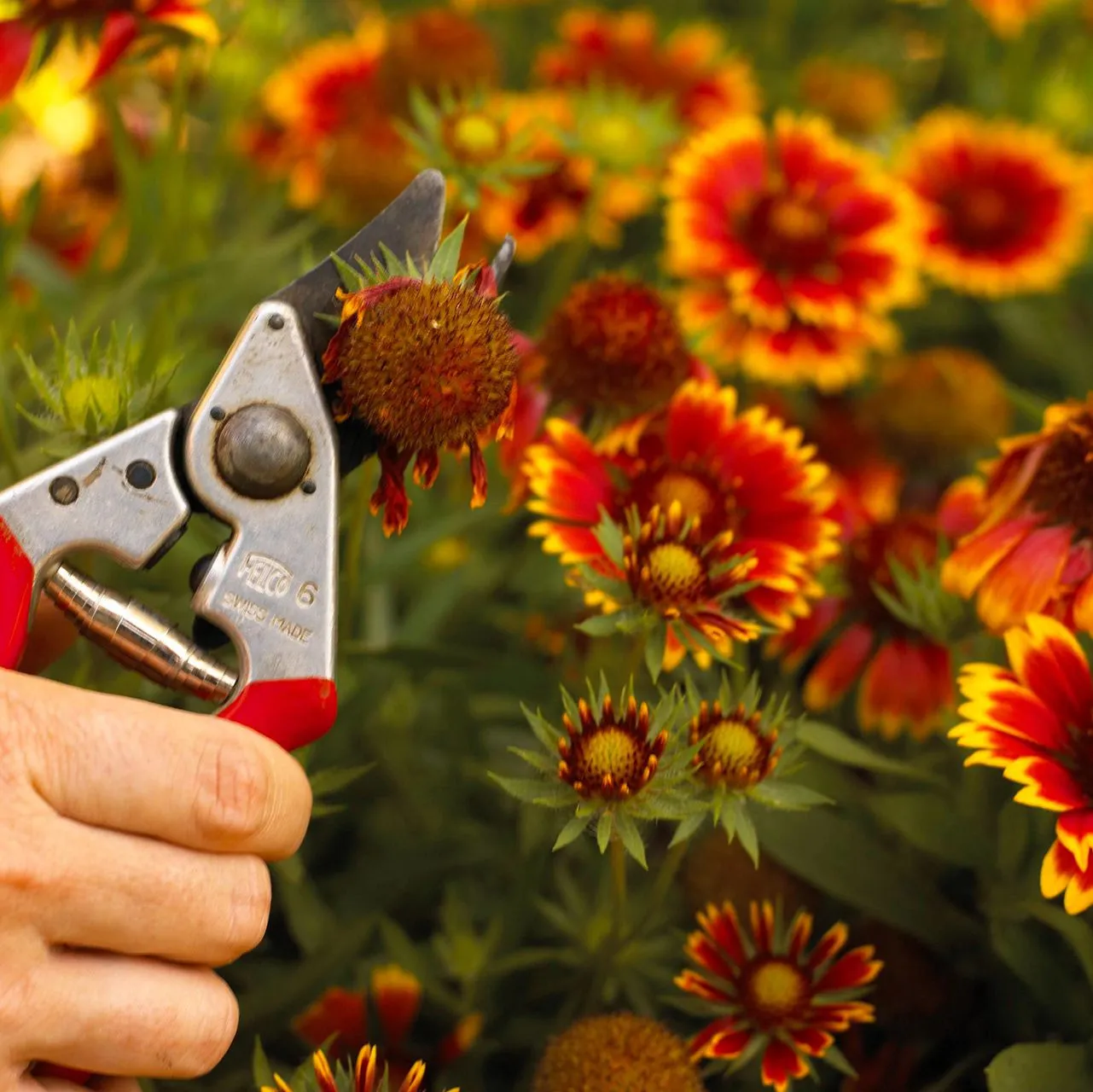
In general, if the bargain plants are perennials, shrubs, or trees that aren't in bloom, they'll usually flower again next year as long as the overall plant is healthy. If they are annuals, you can often coax them into blooming again with a little TLC, such as keeping them well watered, trimming off any faded blooms, and maybe adding a dash of fertilizer.
9. Make friends with other gardeners.
Gardeners tend to be a generous bunch. Swetz notes that they usually are quick to provide gardening tips and local plant knowledge, and they also love to share extra plant divisions, seeds, and seedlings. "There are probably gardener groups for your area on social media, local garden clubs, and of course every state has a Master Gardener association," she says. Volunteering at public gardens is another way to connect with people who love plants and are often willing to share.
10. Check for a refund policy.
Even the best gardeners kill plants, so it's always a good idea to ask the nursery or garden center if they have a return, refund, or exchange policy, says Caitlin Eckvahl, the former "plant doctor" at San Francisco's upscale plant shop Leon & George. So if your plant goals and dreams don't work out, you may be able to get your money back, or get a replacement plant and give it another shot.
"Some stores may have a 30-day return policy, and others may have up to a year," Eckvahl says. Lowe's, for instance, provides a replacement or refund for any tree, shrub, or perennial purchased within one year of the original purchase date. Plants outside of those categories can be returned within 90 days. Eckvahl notes that larger chain retailers tend to be more flexible about their return and refund policies, while small independent garden centers and nurseries may be a bit stricter.