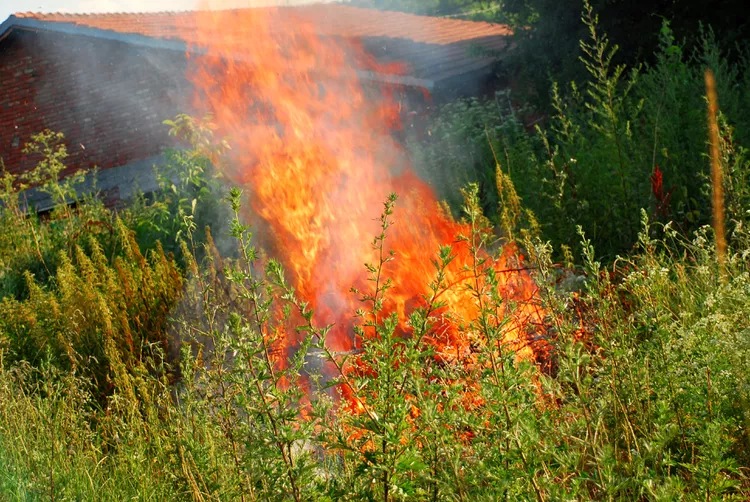
As wildfires become an increasing threat across the country, homeowners are asking what they can do to protect their homes and the surrounding landscape. A third of all residents of the western U.S. live in the wildland-urban interface (WUI), the fastest-growing housing sector in the country and the most vulnerable to fire, according to Adrienne Edwards and Rachel Schleiger, authors ofFirescaping Your Home: A Manual for Readiness in Wildfire Country.
- Adrienne Edwards, PhD, is a plant ecologist, botanist, environmental consultant, and faculty lecturer at California State University, Chico.
- Rachel Schleiger, MS, is a plant ecologist specializing in restoration ecology. She, her family, and their property survived a deadly wildfire in 2018. She is a faculty lecturer at Butte College and California State University, Chico.
Edwards and Schleiger are co-authors of Firescaping Your Home: A Manual for Readiness in Wildfire Country.
The authors say you can implement simple and effective tips wherever you live to make your landscape more fire-smart. “[Fire] can happen anywhere,” says Edwards, “The bottom line is there’s no guarantee your house won’t burn down, but you can create a habitat to make your home as safe and beautiful as you can.”
What Is Firescaping?
Edwards defines firescaping as “the practice of creating fire-resilient landscapes by reducing fire hazards and supporting wild ecosystems.” This includes creating defensible space while fostering a healthier landscape in the soil, water, and air nourishing humans and wildlife.
The distinction is important because many homeowners (and some insurance companies) believe the first step to becoming fire-resilient is to remove most organic matter from the landscape, ranging from mulches to trees, while Edwards and Schleiger say that plants and organic mulch slow down fire when designed properly and grown well.
“Sometimes insurance inspectors don’t understand the landscape and how wildfires work,” Edwards says. “In some cases, their policies can make your house more vulnerable to burning down by removing all the vegetation. Flying embers are the number one ignition source for structures. In a wildfire disaster, if you cut down all the vegetation all the embers are going to hit your house.”
Family First, Then Your Home
Edwards and Schleiger stress making an evacuation plan to save your loved ones in the event of fire, before doing anything else. Your wildfire action plan includes having a “go bag,” packing lists of irreplaceable items, an evacuation plan, and contact numbers.
To learn about local emergency strategies, Edwards says, “One of the strongest recommendations is to get involved with your local Fire Safe Council. If there isn’t one yet, start one.”
Although their book offers tips on protecting your house structure, the authors recommend assessing your home’s safety with a fire professional or specialized contractor.
Install an emergency sprinkler facing your deck and porch and turn it on before evacuating your home.
Designing a Fire-Smart Landscape
Think of your landscape in defense zones radiating out from your home. Research shows the first two zones have by far the greatest impact on fire safety.
Noncombustible Zone (NZ)
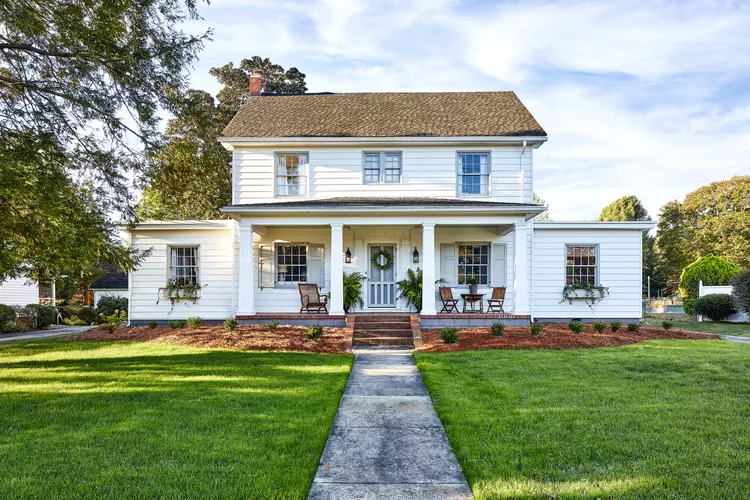
The first zone, the first 5 feet from your house walls, is the “Noncombustible Zone.” During fire season, there should be no combustible materials in this zone. In high fire-prone areas, this zone should span 15 feet and not include wood fencing, railings, arbors, mulch, and woody plant material.
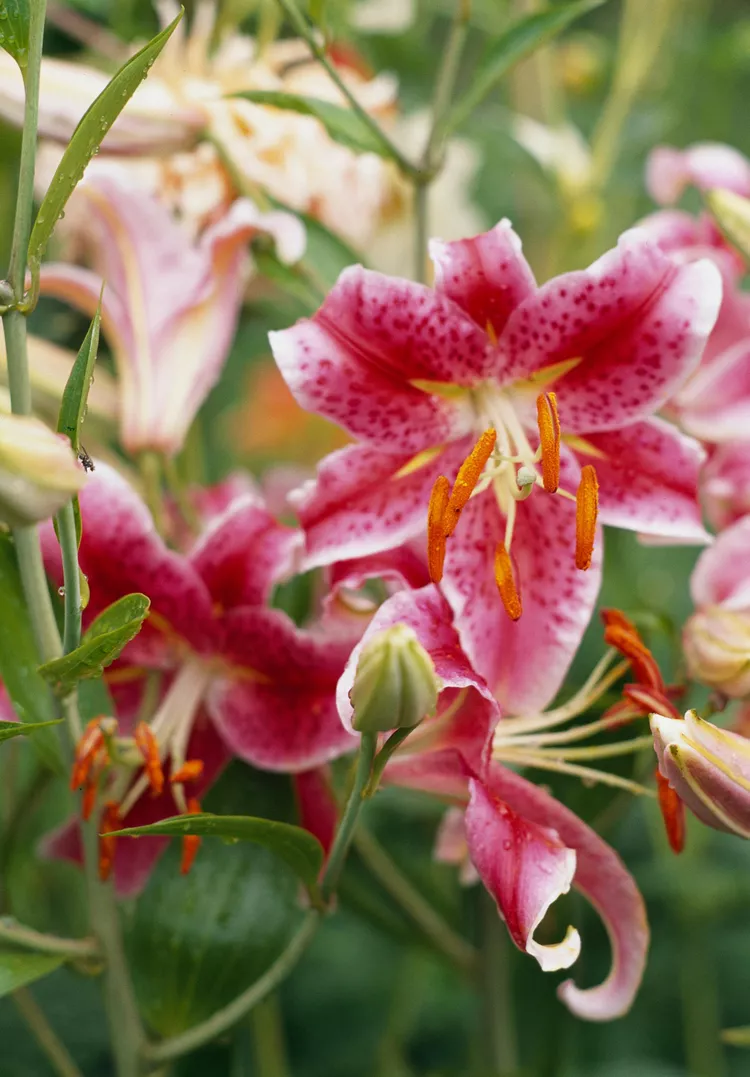
This approach means saying goodbye to traditional foundation plantings, but you can still have seasonal color outside of fire season with spring-blooming wildflowers, ephemerals, or bulbs. Just make sure to rake away any remaining biomass before fire season, Edwards advises.
Lean, Clean, and Green Zone (LCG)
The second zone is the “Lean, Clean and Green” zone, ranging from 5 to 30 feet (more if on a slope). This area could be as large as 90 feet in a high fire-prone spot.
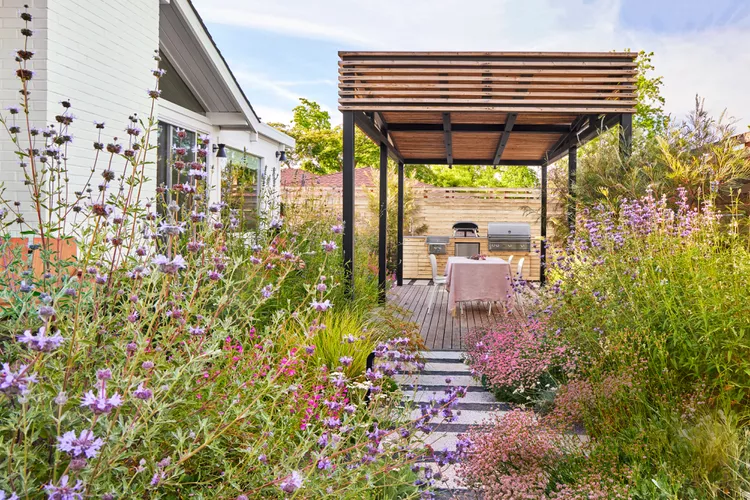
This is where your planting begins. Plants should be kept lean and spaced with plenty of air circulation and fire breaks. Keep the area clean of debris and the plants pruned high. Water the plants to keep them healthy and stress-free.
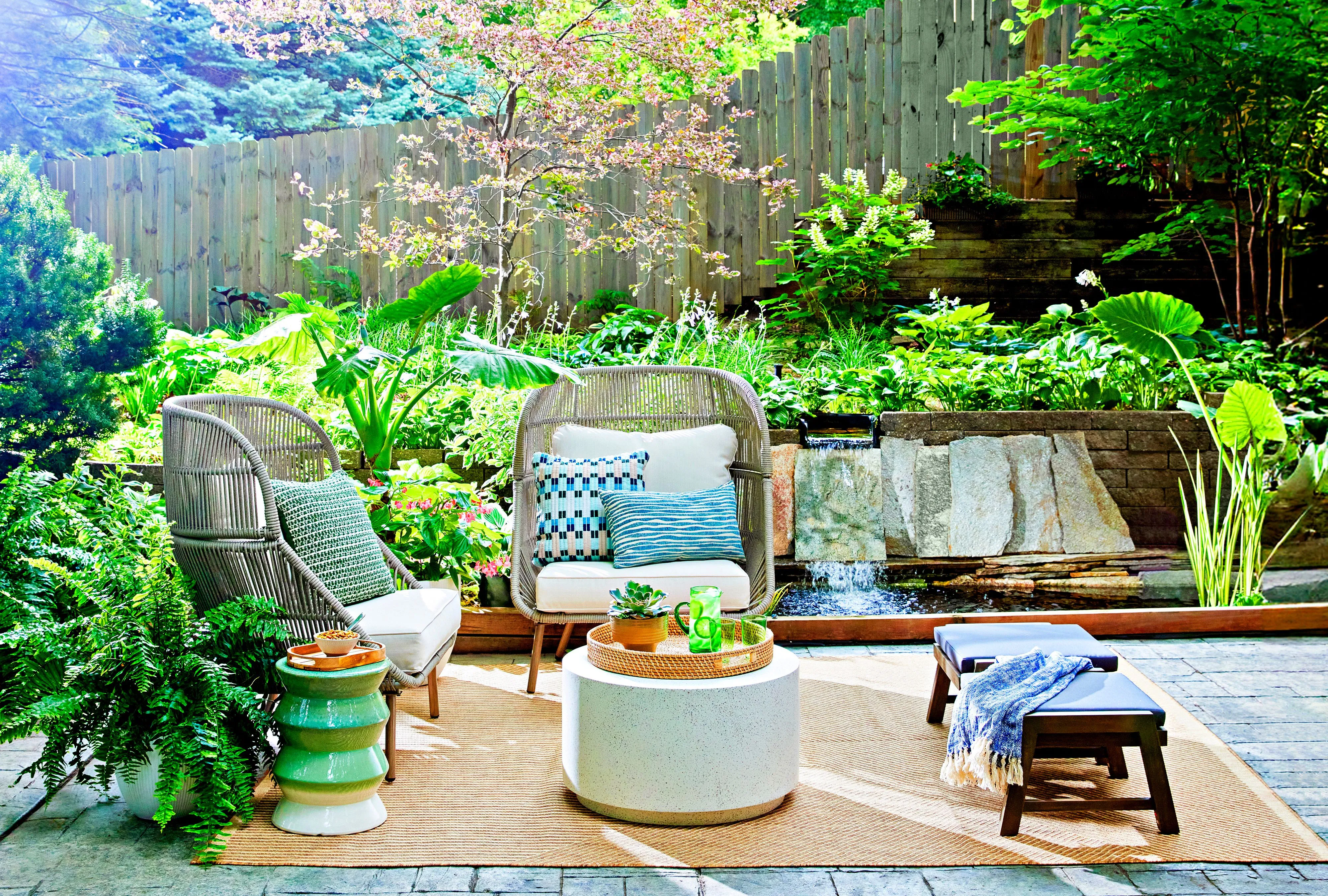
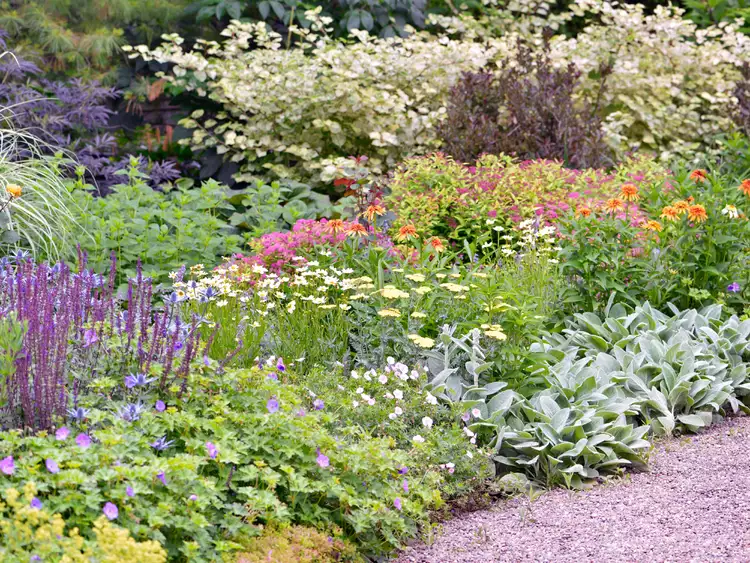
Instead of foundation-style solid rows of shrubbery, Edwards recommends layered but discontinuous plantings in islands broken up by noncombustible hardscapes such as bare dirt, pavers, or gravel. These paths, ideally 4 feet wide, act as fire breaks and increase wind circulation, preventing the formation of eddies of windblown leaves and plant matter where fire can take hold. Look for those eddies by seeing where leaves collect in fall, and make sure they are cleared. Keep fences—a common fire path—clear of debris and spider webs. Keep trees under 15 feet high and positioned so they would fall clear of the noncombustible zone.
“By having plants around your home and strategically planted and maintained in LCG fashion you are reducing wind speed and wind turbulence, which can reduce the circulation of embers around your home,” Edwards says. In addition, your landscape becomes much richer visually.
“The cool thing about pushing the landscaping out is that when you sit in your house, you see so much more. It’s not all jammed up against the house.”
—ADRIENNE EDWARDS
Mulch
Blanketing the ground with groundcover plantings or mulch is an important strategy for conserving water and moderating soil temperatures. Some insurance companies and municipalities discourage the use of wood mulch, but Edwards says composted wood chips were shown to be the least combustible organic mulch—while retaining water, feeding the soil ecosystem, and supporting the plants. (Rubberized bark was the worst, burning both hot and fast.) She recommends using wood mulch judiciously in the LCG zone, broken up by noncombustible sections.
Plant Choices
While much is made of which plants are the most combustible, plant positioning and maintenance are at least as important as the plants you choose. Succulents, often thought to be more fire-smart because their leaves are filled with water, can become a hazard when they accumulate dead leaves that become fuel.
Edwards and Schleiger suggest starting with your area’s native plants, which have an inherent affinity with local soil and conditions. Not only do they support local wildlife, but once established, they typically require less supplemental watering and maintenance than non-natives, saving time and money. In addition, many non-natives have become invasive, removing crucial habitat. Non-native grasses have overwhelmingly contributed to increased wildfires in the West.
Plants that are tall and fluffy and have shallow root systems, like grasses, are more flammable than plants that are low-growing and have thick leaves, tight bark, or deep roots. Use flammable plants with care, isolated from other fuels.
A New Zealand study showed that herbaceous forbs (non-grass flowering plants) were the least flammable group of plants, while grasses, trees, and shrubs were comparable.
Non-native grasses have overwhelmingly contributed to increased wildfires in the West.
Maintenance
Watering properly fosters healthier, less vulnerable plants. Edwards recommends adjusting irrigation with the weather. Smart timers can help with this. Overwatering can promote weak leafy growth that dries out quickly in the heat. (Drought-stressed plants dry out, creating more potential fuel.) Watering deeply and less frequently encourages deep rooting that can better withstand drought.
Pruning is key to promoting air circulation and breaking up potential fire pathways. Limb up trees 6 feet to avoid having branches touching the ground, thin out woody plants to open them up, and embrace negative space in your design to bring out the beauty of trees and shrubs.
“You want to find ways to disconnect the fuels both vertically and horizontally,” Edwards says.
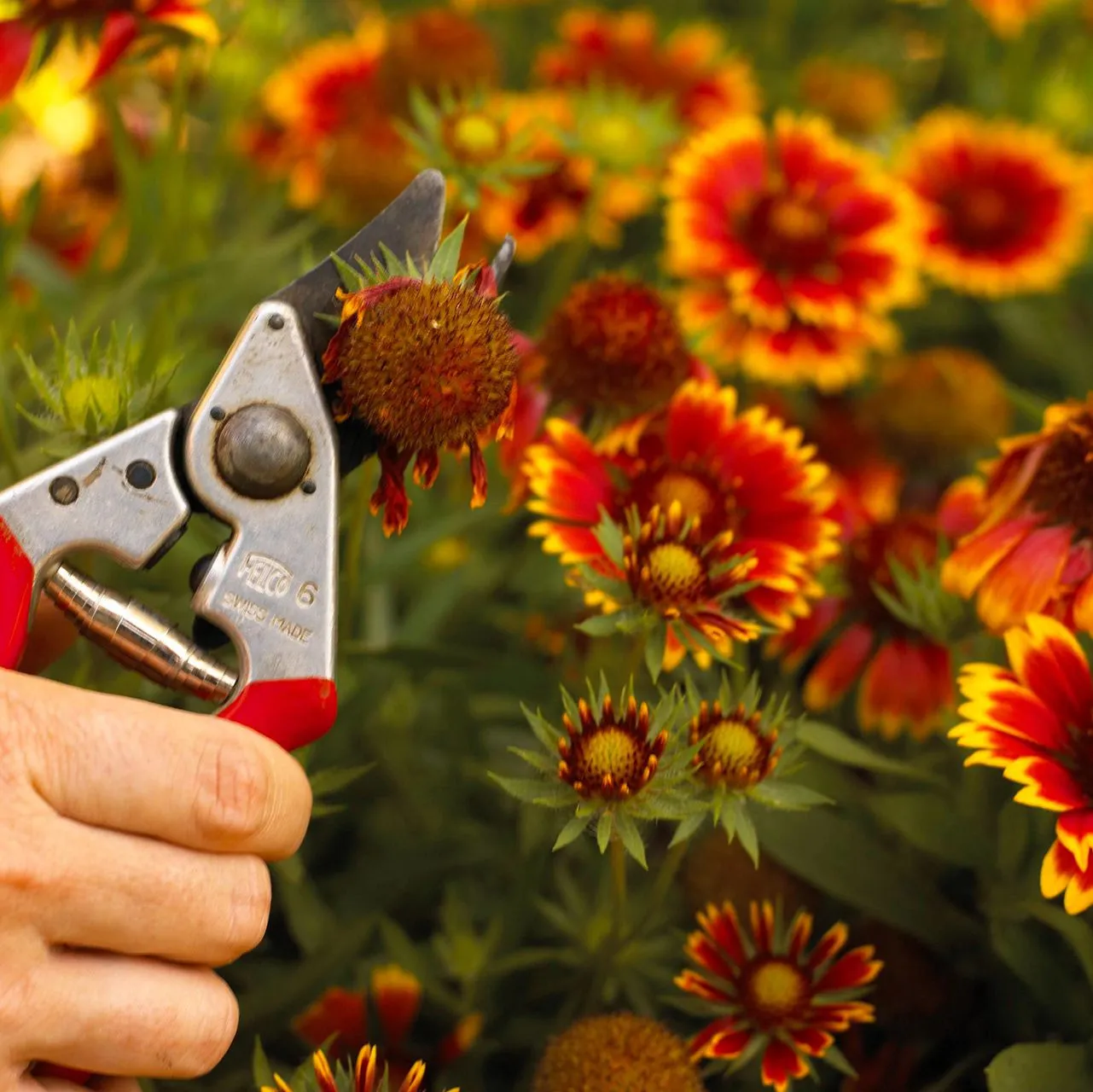
In cool, wet seasons, the authors recommend leaving seedheads and stalks in place for wildlife habitat. In dry times, clear away dead vegetation regularly. Edwards maintains a leaf swale isolated from plantings to support local critters, which she says is usually composted away in a few months.
These are just a few of the crucial ways you can help keep your landscape and home safer in case of fire.